BARF dog: Natural nutrition for more well-being
Sooner or later, many dog owners in Switzerland ask themselves how they can naturally improve the behavior and well-being of their four-legged friends. One form of nutrition stands out in particular: BARF dog food - biologically appropriate raw food. Raw feeding is based on the original composition of the prey and promises transparency in the ingredients. If planned correctly, it can support digestion, skin and teeth and have a positive effect on activity, balance and stress resilience. At the same time, BARF requires sound knowledge, clean hygiene and realistic cost and time planning to ensure that the rations remain balanced in the long term and the risk of germs is minimized.
In this article, you will receive a decision-making aid for everyday life in Switzerland: What are the concrete benefits of BARF for behavior, how does the changeover work in practice, what Swiss framework conditions must be observed and what costs should you expect? There are also tips for sourcing regional ingredients, advice on safe storage and classification of typical risks. In this way, you can decide whether BARF is right for your dog and your life situation - professionally sound, practical and without ideology.
Why BARF? - The fundamental interest in raw feeding
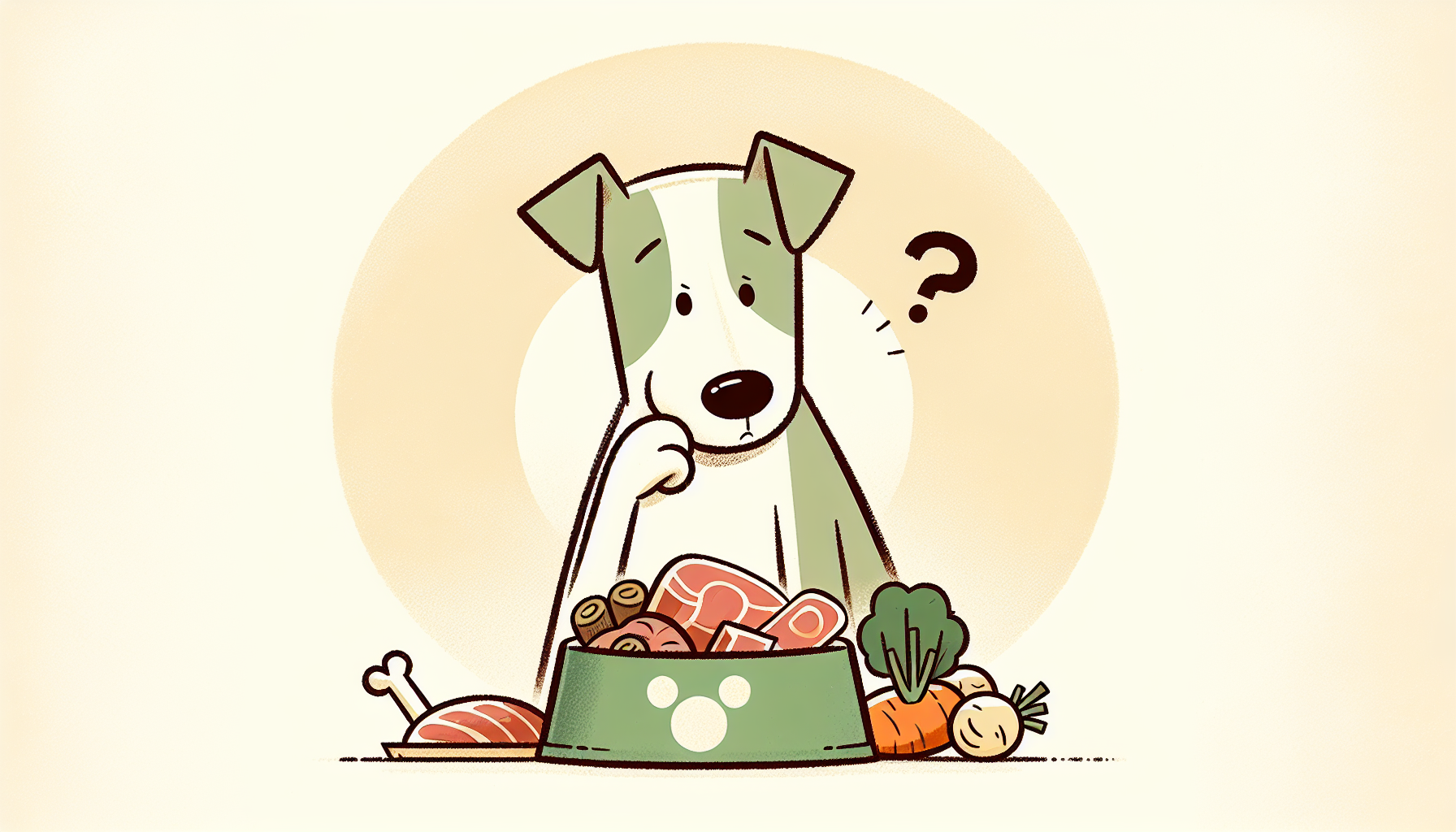
BARF dog stands for biologically species-appropriate raw food and is based on the natural prey composition of canids. The aim is to feed a transparent diet of raw meat, offal, bones, vegetables and fruit - supplemented, if necessary, with nutrient sources such as iodine, calcium and omega-3.
Many owners and even some vets report benefits for digestion, coat, muscle tone and the immune system. However, the correct ration design is crucial, because species-appropriate does not automatically mean balanced - quality, hygiene and nutrient balance must go together.
What exactly does BARF mean?
BARF ideally consists of a balanced mixture of the following components:
- 70-80% animal ingredients: Muscle meat, rumen, offal, raw meaty bones
- 20-30 % plant-based ingredients: pureed raw vegetables, fruit, herbs
- Supplements: Oils (e.g. salmon oil), seaweed meal, eggshell powder, brewer's yeast - as required
The aim is to provide a ration that covers all essential nutrients - without superfluous fillers. The advantage: each ingredient can be individually adapted to the dog, activity and tolerance, which makes BARF dog food attractive for sensitive animals.
Why are Swiss dog owners opting for BARF?
In Switzerland, interest in transparent, regional animal nutrition is growing - also thanks to sustainability initiatives and direct marketing. Many regions offer short distances to fresh ingredients, and owners appreciate the control over origin and processing.
- Natural feeding without hidden additives
- High transparency regarding the origin and freshness of ingredients
- Individual adaptation for allergies or intolerances
- Positive experiences from dog schools, kennels or practices
At the same time, some people are losing confidence in highly processed dry food, which often contains cereals, sugar or preservatives. Nevertheless, it remains important that BARF dogs also need proper nutritional planning - otherwise there is a risk of deficiencies.
Effects of BARF on dog behavior
Many owners have noticed that dogs are more alert, playful and more tolerant of stress after switching to BARF. Nutrition influences energy balance, intestinal microbiome and neurochemistry - factors that can affect stimulus processing and social behavior.
Positive behavior: Increase in energy and activity
BARF often results in stable daily energy levels and more defined muscle tone. This may be due to a high nutrient density, a more constant blood sugar curve and an overall low-inflammatory ration. Older, overweight or less motivated dogs in particular benefit from amounts adapted to their needs.
- More precise control of calories for sports and service dogs
- Less fluctuation in energy levels throughout the day
- Fewer fillers, resulting in improved feed conversion
Important: More energy also means more exercise and mental work. Exercise, training and BARF dogs ideally go hand in hand.
Changed social behavior: Interaction with other dogs
Nutrient-rich food can have a positive influence on stimulus thresholds, which is reflected in everyday life as more calmness. A good supply of amino acids, B vitamins, trace elements and omega-3 supports neurochemical processes and therefore learning and adaptability.
- More balanced behavior in encounters
- Less sensitivity to noise in some dogs
- More stable intestinal microbiome as a basis for stress resilience
BARF dog does not replace training. Social contact, management and training remain central to ensuring that nutritional effects are actually reflected in behavior.
Swiss conditions for BARF nutrition
BARF is easy to implement in Switzerland as long as hygiene, the cold chain and the law are observed. The Animal Welfare Ordinance requires needs-based feeding and sufficient exercise; the FSVO provides practical advice on its page on keeping and feeding dogs. Further requirements relate to the storage, origin and transportation of animal by-products.
Availability and legal framework
The general regulations on animal welfare, hygiene and storage apply to private raw feeding. Find out about regional regulations before you buy and only purchase flawless, food-quality goods. A good place to start is the practical FSVO advice on keeping dogs, including feeding and exercise.
- BLV: Keeping dogs - food, water, exercise
- Foodstuffs Act (LMG): Regulates the safety and labeling of pet food.
- Animal Health Law: Observance of origin, transportation and hygienic processing.
BARF dog is not the same as "slaughterhouse waste": Only use hygienically perfect ingredients, correctly cooled, neatly separated from household food.
Tips for sourcing fresh ingredients in Switzerland
In rural areas and in the Alps, there are many direct marketers and butchers with suitable cuts. Online stores offer frozen goods with refrigerated delivery, and in some regions there are also pick-up points. Check labels, temperature control and origin information.
- Regional butchers or direct marketers, e.g. via vieh.ch
- Farmers' markets with food-quality by-products
- Specialized BARF stores such as Canis Natural, SwitzerBARF or Panys Switzerland
- Online retailers with refrigerated shipping and a clear declaration of origin
Store separately in the freezer, use temperature control and defrost in the fridge. This reduces the risk of germs and keeps BARF dogs safe.
Practical implementation of BARF in daily feeding
Switching to BARF for dogs is easy with planning. Start with just a few protein sources, monitor digestion and skin condition and gradually increase the variety. A kitchen scale, labels and weekly plans make the routine easier.
The right composition of BARF meals
A balanced BARF ration takes the following aspects into account and is adapted to age, activity, figure and health. Puppies, pregnant bitches and sick animals in particular need a professionally calculated ration.
- Animal content of 70-80 % (of which max. 15-20 % offal)
- Approx. 10-15 % raw, minced meaty bones (e.g. chicken necks, veal breast bone)
- 20-30 % easily digestible, raw or steamed vegetables
- Supplements such as fish oil, seaweed meal (iodine), eggshell meal (calcium)
Document weight, activity and stool consistency and adjust the amount. In this way, BARF dog food remains needs-based and suitable for everyday use.
Avoid common mistakes when feeding BARF
Typical stumbling blocks are incorrect proportions, too much bone, a lack of omega-3 sources or gaps in trace elements. Equally critical: insufficient cooling or cross-contamination in the kitchen.
- Have rations checked mathematically instead of just mixing by feel
- Targeted coverage of essential fats and minerals
- Base bone content on output (manure) and reduce if necessary
- Clear hygiene chain: separate boards, knives, boxes, hot rinsing water
BARF calculators, nutrition plans or subscription systems with pre-portioned, frozen rations can help with orientation. This lowers the barriers to entry and keeps BARF dog consistent.
Safety and cost-benefit analysis of BARF
Health aspects and possible risks
Raw feeding can bring benefits such as less tartar, a good coat and a slim line. At the same time, if not handled properly, it harbors germ risks for dogs and households; known pathogens include salmonella, listeria and STEC.
- Take hygiene seriously: separate storage, wash hands, clean surfaces
- Have rations professionally checked to avoid deficiencies or excess supply
- Take previous illnesses into account and involve a vet
The current risk assessment of the British Food Standards Agency on raw pet food provides a useful classification; it shows a different risk depending on the pathogen and recommends strict kitchen hygiene. The FSVO also provides structured guidelines for general husbandry and feeding issues.
Economic considerations: Is BARF more expensive than conventional food?
Costs vary according to region, source and recipe. For a medium sized dog (20-25 kg), guidelines are around CHF 2.50-4.00 per day if you prepare it yourself; ready-portioned delivery models often range between CHF 5.00-7.00 per day.
Many owners report lower veterinary costs in the long term due to better figure, teeth and digestion. The bottom line, however, is the quality of implementation: clean rations and hygiene make BARF dogs sustainable - also financially.
Conclusion: BARF as an opportunity for health and harmonious behavior
BARF is more than just a trend: it is a controllable, transparent way of feeding dogs that is easy to implement in Switzerland thanks to regional supplies. If you take time for planning, hygiene and ration checks, you can combine nutrition, activity and training in a sensible way.
Many testimonials show this: Dogs often appear energetic, balanced and socially compatible when fed BARF. If you want to improve your dog's behavior, vitality and health, a structured introduction to BARF is worthwhile - with realistic expectations, Swiss knowledge and professional support.
Frequently asked questions (FAQ)
How do I start the changeover without digestive problems? Start with two to three well-tolerated protein sources, slowly increase the proportion of vegetables and monitor the dog's droppings, skin and energy levels. Stay with each ingredient for at least a week before adding something new.
Can I combine BARF and dry food? Yes, many dogs tolerate partial BARF well. Feed the components separately, start with cooked intermediate stages and adjust the total amount to the daily requirement.
How do I ensure the calcium and iodine supply? Work with calculated rations and use a moderate amount of bones, eggshell meal as an alternative and seaweed meal for iodine. Check the quantities at regular intervals.
Is raw food suitable for households with children? The risk can be reduced with strict kitchen hygiene, separate utensils and a clean cold chain. If you are unsure, you can use cooked ingredients and ensure safe supply chains.
How can I recognize good sources of supply in Switzerland? Look for clear indications of origin, food quality, reliable refrigeration and transparent declarations. Direct marketers, trustworthy butchers and specialized BARF suppliers are good places to go.
Would you like to implement BARF properly? Get an individual ration plan from a certified nutritionist, talk to your vet and get started step by step - for a relaxed everyday life with your dog.