Goat farming in Switzerland: Step-by-step to successful animal husbandry
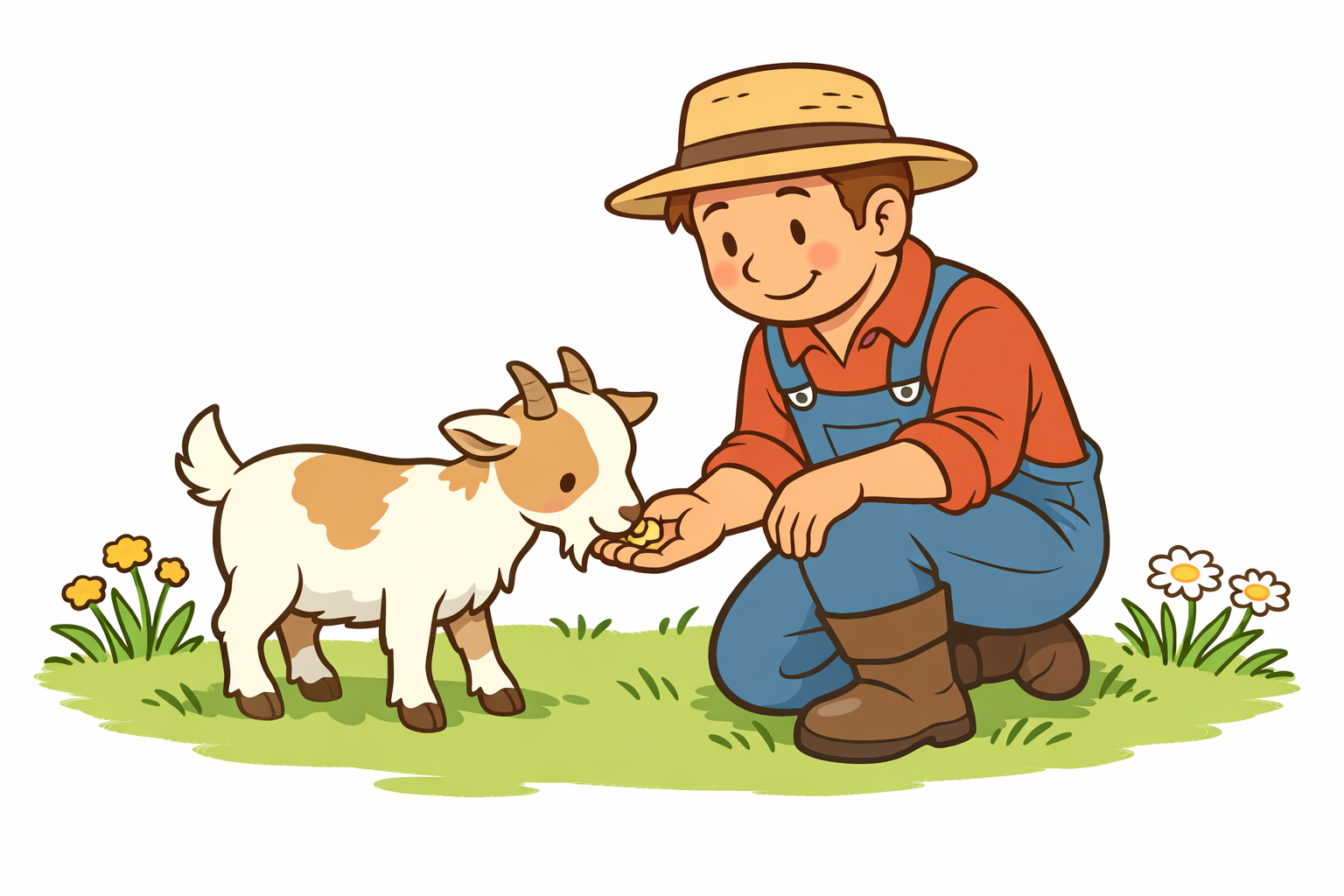
Goats are considered to be uncomplicated, robust and friendly - yet keeping them in Switzerland is more demanding than many people think. Anyone who simply buys "two goats" is quickly faced with questions about space requirements, animal welfare regulations, feeding, pasture care and neighbors. This guide will take you step by step through the most important decisions: from realistic planning to the barn and run to daily practice - so that your goats stay healthy, everything is right from a legal point of view and animal husbandry really suits your everyday life.
Table of contents ▼
- Basics of goat farming in Switzerland
- Planning and legal requirements
- Stable, run and pasture in practice
- Feeding and health in everyday life
- Common mistakes and important decisions
- Conclusion: How to keep goats successfully in the long term
- Frequently asked questions about goat farming in Switzerland
- Goats are herd animals and need at least one conspecific, sufficient space and daily exercise.
- In Switzerland, there are clear TSchV requirements regarding space, shelter, hoof care, identification and care.
- The stable, pasture and fence must be planned from the outset to be goat-proof, dry and escape-proof.
- If you plan realistically in terms of time, costs and neighbors, goat farming can be an enriching long-term project.
The basics of goat farming in Switzerland
Goat farming in Switzerland is successful if three basics are right: sufficient space in accordance with the Animal Welfare Ordinance, at least two socially acceptable animals and a husbandry that fits in with your everyday life. The decisive factors are a dry, clean lying area, daily exercise, structured pastures and feeding that emphasizes roughage. If you take these basics seriously and don't skimp on fencing, shelter or animal health, you can avoid 80% of typical problems in advance.
Goats are intelligent, curious herd animals. Keeping them alone is not an option from an animal welfare point of view and quickly leads to behavioral problems or excessive screaming towards humans. Plan to keep at least two, preferably three animals - ideally of a similar age and with compatible temperaments. Dairy goats, endangered Swiss breeds or dwarf goats have different requirements in terms of milk yield, feed and management, but all remain flight animals with a high urge to move.
Planning and legal requirements
If you want to keep goats in Switzerland, you should clarify three points before buying your first animal: Am I allowed to keep goats on my property, do I meet the requirements of the Animal Welfare Ordinance (TSchV) regarding space and care, and am I prepared to look after the animals on a daily basis - including on public holidays and during vacations. This preliminary clarification prevents costly conversions, conflicts with neighbors and unnecessary stress for the animals.
Check building regulations first: in agricultural zones, small herds of goats are usually unproblematic; in residential or mixed zones, permits are often required for stable buildings or noise restrictions. Talk to the municipality and neighbors early on - loud bucks or kids screaming at night can otherwise quickly lead to complaints.
The TSchV specifies minimum areas for stalls and runs, requirements for dry lying areas, protection from the weather, social contact and frequency of care. In addition, goats must be correctly identified and registered with the Animal Traffic Service (TVD). At this point at the latest, it is worth contacting the herd veterinarian or an experienced goat farmer to plan vaccinations, deworming concept and hoof care.
Make an honest list of time, costs, vacation replacement and space conditions. Take into account daily care, including in winter, and ongoing veterinary and feed costs.
Contact the local authority and, if necessary, the building authority and find out about the TSchV. Plan the stable, run and pasture so that they clearly exceed the minimum legal requirements.
Decide between dairy, meat or hobby farming, clarify the future of the young animals and choose a breed that suits the climate, terrain and your experience.
Finish building the barn, fence, feeding area and hay store, test goat safety and organize basic equipment before you take on animals.
For practical implementation, it is worth having a minimum of solid basic equipment: suitable stable space, easily accessible hay rack, drinking troughs, feed storage, fencing material and an area for fixation for hoof care or veterinary treatment. Those who improvise here usually pay twice later - in the form of escaped goats, injuries or constant extra work.
Stable, run and pasture in practice
A good goat shed in Switzerland is dry, draught-free, bright and offers structured lying and eating areas. Goats appreciate raised lying areas, clear escape routes and non-slip floors. In winter, the barn must provide protection from moisture and constant draughts, and in summer from heat. Outdoor areas should offer dry zones all year round; pure "mud paddocks" quickly lead to claw and health problems.
A combination of a paved exercise yard and pasture has proven to be effective. The exercise yard is planned with a solid floor, drainage and weather protection and serves as a safe zone in the event of bad weather or pasture closures. Variety is crucial in the pasture: goats love shrubs, hedges, different heights and shelters. Pure grass areas without structure quickly become boring and encourage parasites.
- Dry, littered lying areas with sufficient space per animal
- Raised levels or platforms for climbing and dodging
- Several feeding areas to reduce rank battles
- Weather-protected, non-slip exercise yard with drainage
- Goat-proof fence (at least approx. 1.20 m high, without large openings)
- No poisonous plants in the stable and fence area
Close-meshed knotted mesh or sturdy wood/metal fences have proven their worth; pure strands with electricity are only reliable for goats with experience and perfect maintenance. Think about Swiss winter conditions: Snow drifts, icy gates and power cuts should not immediately release your animals onto the main road. Plan a well lockable waiting room or corridor so that animals can be loaded or separated safely.
Feeding and health in everyday life
For successful goat farming in Switzerland, stable feeding with a focus on roughage is essential. Good quality hay, pasture rich in structure and fresh water are the basis. Concentrated feed is only necessary for high performance, pregnancy or rearing and should be used selectively. Frequent feed changes, moldy hay or too much bread and kitchen scraps quickly lead to digestive problems - an underestimated everyday risk.
Goats are selective eaters and like to look for leaves, buds and young shoots in the pasture. This is ideal for animal health, but requires consistent control of the plants: Yew, laburnum, box, rhododendrons and other ornamental plants from gardens are highly poisonous. In the vicinity of residential areas or apartment buildings, an additional safety fence is worthwhile to prevent other people's garden waste from entering the goat area.
Keep a simple stall book: make a note of feed changes, worming, vaccinations, hoof care, births and special observations. This will help your vet recognize correlations more quickly and you can keep track of your herd's health and performance even years later.
Regular hoof care, parasite management, body condition checks and a clear vaccination schedule are essential for preventive health care. Arrange an initial appointment with a veterinary practice that has experience with ruminants or goats in particular before purchasing the animals. Discuss which diseases are common in your region and how you can tackle them preventively instead of only reacting in an emergency.
Common mistakes and important decisions
Most problems with goat farming are not caused by "bad luck", but by bad decisions at the beginning: wrong number of animals, unsuitable breed, too little space, fencing that is too weak or unclear goals. Families in particular underestimate how loud a goat can be, how much goats peel trees and how binding daily care is, even during storms, snow and vacations.
When it makes sense to keep goats - and when it doesn't
It makes sense to keep goats if you have time for daily care on a permanent basis, can offer suitable stable and pasture space and enjoy recurring tasks such as mucking out, fence control and hoof care. A small herd of goats can be an ideal addition to a farm and an enriching learning and nature experience for families with their own property.
Goat keeping is less suitable if you live in a close residential area with noisy neighbors, have no direct access to pastures or if your family has severe animal hair allergies. Even if you find it difficult to have animals slaughtered in the event of illness or for herd reasons, you should think very carefully about whether goat farming - with unavoidable male young animals - really suits you.
Typical mistakes you should avoid
A common beginner's mistake is to spontaneously take on individual "emergency goats" without suitable company or infrastructure. Equally problematic are unsecured temporary arrangements: loose pallet fences, nets that are too deep, improvised shelters. All of this may work in summer when the weather is good - but in the Swiss winter with its wet, windy and snowy conditions at the latest, it becomes clear whether goat husbandry has really been thought through.
Never rely on the fact that "the goats won't jump". Plan fences, gates and stable openings so that they are consistently escape-proof. Once goats have escaped, they can cause considerable damage to gardens, roads or fruit trees in a very short time - with liability and insurance consequences for the owner.
To avoid buying the wrong equipment and bedding, it is worth taking a look at specialized animal husbandry stores that bundle products for small ruminants. For example, you can find structured bedding and hygiene solutions that combine stable hygiene, animal welfare and workload and have already proven themselves in Swiss stables.
Conclusion: How to make goat farming successful in the long term
Start small but be consistent: clarify legal requirements first, plan the barn, run and fence with reserves and organize a reliable vacation replacement. Make a conscious decision on the right breeds and number of animals, invest in good hay and a solid basic infrastructure. If you take observation, health care and neighborly care seriously, you will lay the foundation for stable, enjoyable goat keeping that suits your everyday life, your location and the needs of your animals.