Cat selection in Switzerland: How to adopt responsibly
Anyone thinking about adopting a cat in Switzerland is usually looking for clear answers: Where can I find reputable places to go, what costs are involved, and what rules apply in CH? This guide takes you step by step through the entire process - from a serious search to a relaxed acclimatization. You will learn how to properly check offers from animal shelters, which documents are relevant and how to recognize fraud. At the same time, we show you why adopting a cat is more than just a purchase: you are making a contribution to animal welfare, taking on long-term responsibility and creating the basis for a harmonious life together. In this way, you can proceed in an informed, realistic and well-prepared manner - so that your future roommate arrives safely and quickly feels at home.
Whether you are a first-time cat owner or an experienced one: The right decision starts with transparency. We shed light on the legal basis, reliable organizations, regional particularities and the most important cost factors. This will give you a realistic overview - without embellishment.
Read on if you want to know exactly where you can find a suitable cat, how the placement process works and what mistakes you should avoid. With a little planning, patience and advice, you can get off to a relaxed start with your new furry friend.
The importance of cat adoption in Switzerland
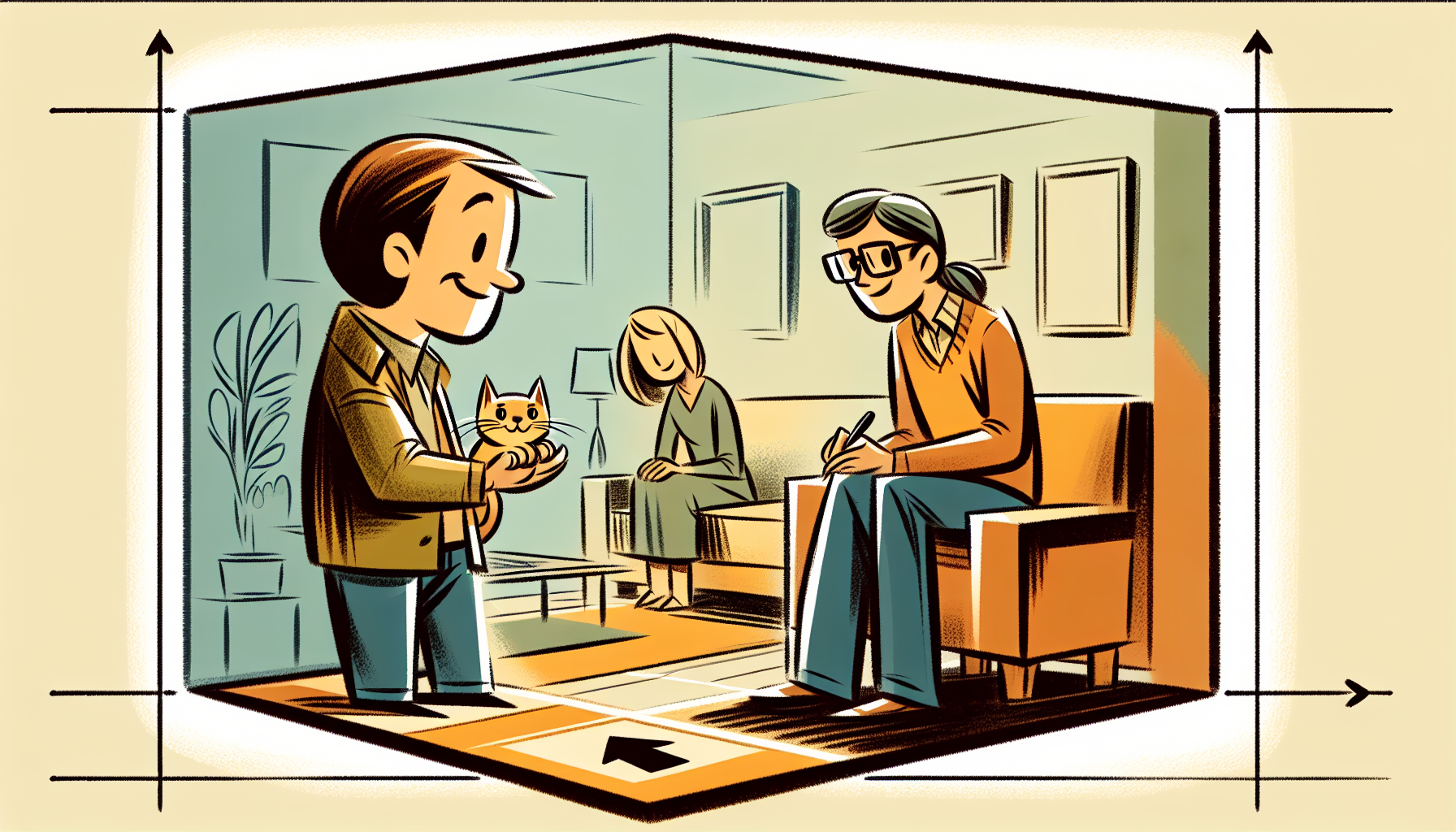
Every year, numerous cats end up in Swiss animal shelters - abandoned, unwanted or from difficult homes. When you adopt a cat in Switzerland, you give an animal a second chance and relieve overcrowded animal shelters at the same time. You set an example against dubious trading and promote responsible cat ownership with a long-term perspective.
Veterinarians and animal welfare organizations are increasingly recommending adoption. Shelter cats are usually vaccinated, neutered and health-checked - often already house-trained and socialized. This means you avoid the typical risks that occur when buying young cats from unclear sources.
Why choose a shelter cat?
When you adopt a cat in Switzerland, you are consciously choosing an animal with a history. Many cats show a strong bond and great gratitude after settling in. Swiss animal shelters conduct detailed interviews, check the living situation and experience and only place cats if the animal and person are a good match.
Adoption also creates transparency: age, character and any special characteristics are usually known. Adoption is not free - but it is fair, sustainable and accompanied by advice that supports you even after you have moved in.
Adoption instead of a breeder: what else speaks for it?
Breeders can guarantee breed characteristics, but not all breeds comply with animal welfare regulations - especially in the case of imports. Adopting a cat in Switzerland strengthens controlled, legally compliant structures. In this way, you reduce the risk of supporting dubious offers and promote reputable placement in the interests of animal welfare.
In summary, adoption offers the following advantages:
- Ethically responsible - you are helping an animal in need
- Often cheaper than buying from a breeder
- Usually health-checked, neutered and vaccinated
- Personal advice from animal carers
Legal framework for keeping cats in Switzerland
Anyone who adopts a cat in Switzerland assumes legal responsibility - regardless of whether the animal comes from an animal shelter or was bought. The Animal Welfare Ordinance (TSchV) and the recommendations of the Federal Food Safety and Veterinary Office (BLV) define minimum requirements for keeping, caring for and handling cats.
Important regulations for keeping cats
According to the Animal Welfare Ordinance, cats may only be kept in Switzerland if their needs are consistently met. This includes, among other things, clear feeding and care obligations as well as occupation and opportunities to retreat. The FSVO provides more detailed information, including advice on outdoor access and occupation.
- Access to species-appropriate food and water
- Sufficient exercise and activity depending on the type of housing
- Social contact: with conspecifics or intensive contact with people
The FSVO advises outdoor cats to be neutered to prevent uncontrolled reproduction. Corresponding regulations may exist in individual communes or cantons. Official information on keeping and neutering cats can be found at the FSVO (link below).
Rights and obligations of cat owners
Anyone who adopts a cat in Switzerland is obliged to provide animal-friendly care and medical attention. Cats must not be locked away permanently or left alone without something to do. Respect in the neighborhood and clear agreements with landlords prevent conflicts.
- Do not isolate cats; ensure they have something to do and a place to retreat to
- Treat visible ailments or illnesses by a vet
- Be considerate of neighbors and surroundings when letting cats out
Violations of animal welfare regulations can result in fines or a ban on keeping cats. If you stick to the rules, you create trust - the basis for a relaxed life together.
Further information: BLV: Cat keeping and animal welfare as well as legal background on castration and population control, e.g. at Tier im Recht (TIR).
The best places to adopt cats in Switzerland
Switzerland has a dense network of animal shelters, foster homes and reputable organizations. Whether Zurich, Geneva, Bern or rural regions: Anyone looking to adopt a cat in Switzerland will usually find offers close to home and competent advice.
Recommended animal shelters and organizations
The following facilities are trusted throughout Switzerland:
- NetAP Association - specializing in the rescue of feral cats
- Susy Utzinger Foundation for Animal Welfare (SUST) - highly reputable projects
- Jura animal shelter, Arche animal shelter in Zurich or Rosel animal shelter in Bern - with experienced specialist staff
Pay attention to transparent procedures: placement interviews, preliminary visits and a nominal fee (usually between 150 and 250 CHF) are all part of the process. Anyone adopting a cat in Switzerland benefits from this structured check - it protects both the animal and the owner.
Regional differences
In French-speaking Switzerland, placements are often bilingual, in Ticino also in Italian. Smaller shelters sometimes only publish offers on Facebook or via local platforms such as Anibis.ch or Tier-Inserate.ch. Plan time for visits - in many places, getting to know the home in person is a prerequisite.
Tip: Patience pays off. Careful selection increases the chance that people and animals will harmonize in the long term.
Practical tips for preparing for your new cat
Before your new roommate moves in, planning and a calm start will help. Anyone adopting a cat in Switzerland should prepare transportation, initial care and safe rooms. This will reduce stress, minimize risks and make settling in easier in the first few days.
You will need this equipment
- Litter tray; a second one if there are several cats
- Food bowls for water as well as wet and dry food
- Transport box for visits to the vet and safe travel
- Scratching post or scratching board
- Retreat such as a cave or blanket
- Cat toys to keep them occupied
Secure windows and balconies - especially on upper floors. For indoor cats, sturdy nets and tilt window guards are useful to prevent accidents.
How to make your home cat-friendly
Remove poisonous plants such as lilies or dieffenbachia and secure cables and fragile decorations. If you adopt a cat in Switzerland, you will benefit from clear rituals: fixed feeding times, quiet retreats and stable daily routines provide security.
The first time after adoption
Give them time and space. Some cats thaw out quickly, others need weeks. Start in a separate room, gradually expand the radius and let your cat set the pace.
Avoid visitors in the first few days. Children learn how to approach and stroke the cat respectfully, carefully and under supervision.
Cost estimate and running costs of cat ownership
Adopting a cat is a long-term investment in relationships and responsibility. Anyone adopting a cat in Switzerland should realistically calculate not only the adoption fee but also the initial equipment, veterinary costs and ongoing expenses - including an emergency buffer.
One-off costs
- Adoption fee: approx. 150-250 CHF (incl. vaccinations, chip, possibly neutering)
- Basic equipment: 250-400 CHF (litter box, scratching post, bowls, toys etc.)
- Transport box: approx. 50-100 CHF
Ongoing monthly expenses
- Food (wet and dry food): approx. 40-80 CHF/month
- Vet check-ups and vaccination boosters: approx. 300-500 CHF/year
- Pet insurance (optional): from approx. 20 CHF/month
- Litter and cleaning: approx. 15-30 CHF/month
Plan reserves for unforeseen events. Dental treatment or operations can quickly cost several hundred francs.
Avoid common mistakes when adopting cats
Even good intentions can fail if expectations and reality diverge. Adopting a cat in Switzerland is a better choice if needs, living situation and everyday life are honestly examined - before signing the contract.
Choosing the wrong cat
Don't base your decision on looks or pity alone. Character, activity level and previous experience must match your household, working hours and other animals. Seek advice and sleep on it if necessary.
Unrealistic expectations
Cats often show affection subtly and need privacy. What was described as "cuddly" in the advertisement may seem different after the move. Give them time and appreciation - relationships develop in peace.
Too little patience when settling in
Initial reticence, uncleanliness or refusal to eat are possible - especially with older animals. Create safe zones, avoid pressure and get professional support early on if necessary.
FAQ on cat adoption in Switzerland
How do I find reputable offers? Use Swiss animal shelters and established organizations, read contracts carefully and avoid anomalies such as cash-only payments or missing documents. A preliminary visit on site is standard.
Is chipping and registration compulsory? Registration is voluntary for cats, but highly recommended so that any animals found can be quickly identified. The FSVO provides information on keeping cats; chipping campaigns are regularly organized by veterinary practices.
Apartment or outdoor access - which is best? The decisive factors are safety, space, activity and the cat's character. Indoor cats need a varied environment and daily interaction; outdoor cats should be neutered, vaccinated and clearly marked.
What documents will I receive when I adopt a cat? Adoption contract, vaccination certificate, chip number and information on health and behavior are standard. Ask specifically about previous illnesses, food tolerances and previous housing conditions.
How can I recognize dubious offers? Warning signs are missing health certificates, very young kittens, no viewing and pressure to make a quick decision. If in doubt: keep your distance and adopt a cat in Switzerland through a verified agency.
Conclusion: Love for cats begins with the decision to adopt
Adopting a cat in Switzerland means conscious responsibility, animal welfare and long-term commitment. With a serious selection, good preparation and respectful treatment, you create the basis for a relaxed life together - from day one.
Take advantage of advice from animal shelters and official bodies such as the FSVO or the Swiss Animal Protection STS. Start now - arrange a visit to a nearby animal shelter, ask questions and take your time to find out which velvet paw suits your everyday life.
Take the first step: contact an animal shelter in your region, clarify the general conditions and let a cat move in with you. Your pet will thank you in its own special way.