Keeping chickens in the garden: how it's allowed in Switzerland
More and more people in Switzerland would like to have a few chickens of their own in their garden - whether for fresh eggs, as an exciting project for children or for the joy of keeping animals close to nature. At the same time, the question quickly arises as to what is legally permitted and what requirements animal welfare legislation, local authorities and neighbors place on keeping chickens in the garden. If you know the most important requirements, you can keep chickens in an animal-friendly way, avoid conflicts and enjoy your small private chicken farm in the long term. The following overview shows which rules apply and how to implement them in practice in everyday life in Switzerland.
TL;DR - The most important facts about keeping chickens in the garden in Switzerland
- Keeping chickens in the garden is generally permitted in Switzerland, but must comply with the requirements of the Animal Welfare Ordinance (TSchV) and municipal building and usage regulations.
- All poultry farms - including hobby flocks - must be registered with the canton (animal health legislation).
- Sufficient space, protection from the weather and predators, species-appropriate bedding and enrichment material as well as daily care are crucial.
- Depending on the canton and commune, permits may be required for coop buildings, noise or distance requirements, especially for roosters.
- Careful planning of the henhouse, the run and the hygiene measures protects animal health and prevents odor and parasite problems.
- Good communication with neighbors, clear responsibilities in the family and a realistic assessment of the time required ensure responsible chicken keeping in the long term.
Legal basis: How is keeping chickens in the garden regulated in Switzerland?
What role do the Animal Welfare Act and Animal Welfare Ordinance (TSchV) play?

In Switzerland, chickens are legally considered farm animals and are therefore subject to the Animal Welfare Act and the Animal Welfare Ordinance (TSchV). These stipulate that chickens must be kept in a species-appropriate manner. This includes a group size that corresponds to social behavior, sufficient space in the coop and in the run in accordance with the minimum requirements of the Animal Welfare Ordinance, structured areas for resting, eating and sand bathing, as well as a climate that meets the animals' needs. The regulations apply not only to professional poultry farms, but also to small private flocks in the garden.
The TSchV also sets out requirements for protection against injuries and diseases. Sharp edges, poisonous plants in the run or wiry constructions without a cover can violate these principles. Feeding must also be designed in such a way that chickens are supplied with nutrients, water and minerals as required and do not become fatty or malnourished.
What must be observed in cantonal and municipal building and zoning regulations?
In addition to animal welfare legislation, cantonal and communal building and zoning regulations are decisive in determining whether chickens may be kept in the garden. In residential zones, small flocks of chickens are usually permitted as hobby-type animal husbandry as long as the character of the residential use is preserved and no excessive emissions are produced. However, larger livestock buildings, fixed foundations or clearly visible installations may require a building permit. In densely built-up areas in particular, municipalities sometimes set clear requirements regarding the location, height and design of chicken coops.
Depending on the municipality, there are also distance rules to neighboring properties, noise protection requirements or recommendations on the maximum number of chickens in a garden plot. Especially in areas with strict noise protection regulations, keeping a rooster can be problematic, as crows can be perceived as a considerable disturbance in the early hours of the morning. It is therefore worth checking the local regulations with the municipality or city before purchasing a rooster.
Notification requirements and animal movement: What applies in Switzerland?
In Switzerland, all poultry farms - even small hobby flocks in the garden - must be registered, regardless of the number of animals. This registration is carried out by the competent cantonal authority and serves to monitor and combat animal diseases. There is no minimum herd size above which the obligation to register applies. The obligation therefore also applies to a small number of chickens that are only kept privately.
The general provisions of animal disease and animal welfare legislation also apply when transporting chickens, for example when buying from a farm, exchanging animals or visiting a poultry market. Transport containers must be safe, clean and sufficiently ventilated, and the transportation time must be kept as short as possible. Anyone who regularly trades or breeds chickens or takes part in exhibitions should also contact the cantonal veterinary office or specialist organizations to find out about additional requirements.
Planning the keeping of chickens: How can the garden be used in a legally compliant and animal-friendly manner?
How many chickens are appropriate in the garden?
The appropriate number of chickens in the garden depends on the available space, the size of the coop, the run and the neighboring situation. For a harmonious group dynamic, a small flock of several hens is recommended, as chickens develop pronounced social structures. Permanent solitary housing is not considered to be in line with animal welfare standards because conspecifics are essential for safety, hierarchy and natural behavior. In typical single-family home gardens, small groups of a few hens are often kept in order to keep space, nutrient input into the soil and noise levels to a minimum.
When keeping chickens in the garden in Switzerland, it should also be borne in mind that every additional square meter of run relieves the turf and supports scratching behaviour. If you have limited space, you should therefore consciously opt for a small group and invest in a particularly clever run design, for example with different levels, covered areas and structural elements.
Advantages of a small, well-planned group of chickens
- Better control over animal health and house hygiene.
- Less impact on the lawn, soil and neighborhood.
- Manageable workload for feeding, cleaning and care.
What are the requirements for the coop, run and protection from predators?
A chicken coop in the garden must be sufficiently large, well ventilated and dry. Perches of a suitable height, laying nests with soft litter and a sufficiently thick layer of litter on the floor are basic requirements. It should be possible to close doors and windows securely to protect chickens from martens, foxes and other predators at night. In the run, stable fencing, if possible partially buried fencing and a secure fence at the top are advisable, especially in areas with foxes or birds of prey.
The outdoor area should offer sunny and shady zones, for example with shrubs, bushes, a roof or sun sails. An area for sand bathing that remains dry and is regularly renewed is ideal. A varied design with tree trunks, raised seating and plants makes the run more exciting and helps to prevent feather pecking and boredom.
Important elements of a safe chicken run
- Sturdy, sufficiently high fencing and protected burrowing areas.
- Roofed or densely planted areas to protect them from birds of prey.
- Dry areas for scratching and sand bathing that are regularly maintained.
Neighbors and noise: How can conflicts be avoided?

Chickens are generally quiet animals, but clucking, alarm calls and especially the crowing of a rooster can lead to tensions in densely populated residential areas. In many Swiss municipalities, keeping hens in the garden is tolerated, while roosters are judged more harshly because of their early and loud crowing. Keeping hens in the garden should therefore be planned in such a way that the quiet times of the neighborhood are respected, for example through clever placement of the coop, soundproofing elements or deliberately not having a rooster.
Open communication with neighbors before acquiring chickens can avoid misunderstandings. If it is explained how many animals are to be kept, how the coop and run are designed and what hygiene measures are planned, trust is created. Regular cleaning and the proper handling of manure prevent unpleasant odors, which could otherwise quickly lead to complaints.
Practical requirements: Care, health and hygiene in the chicken garden
What does species-appropriate daily care for chickens look like?
Chickens need fresh water, suitable feed and health checks every day. A high-quality complete feed forms the basis, supplemented by structure-rich components such as grains, green feed and occasional treats to cover their needs. Food and water bowls should be placed in such a way that they do not get dirty and can be cleaned easily. Especially in winter, make sure that drinking water is frost-free, and in summer that there is sufficient shade and cooling.
A brief visual inspection of the animals is also part of the daily routine: plumage condition, willingness to move, feeding behavior and the condition of their droppings give an indication of their well-being. If you recognize changes early on, you can react in good time and consult a vet or an expert. For young families, the daily care of chickens offers a good opportunity to teach children a sense of responsibility and respect for farm animals.
Hygiene in the henhouse: how to prevent disease and odor?
Good barn hygiene is essential for animal health and odor reduction. Droppings boards under the perches make daily cleaning easier, fresh litter binds moisture and reduces ammonia formation. The hutch should be thoroughly mucked out and dried regularly and, if necessary, treated with suitable anti-parasite products. Ventilation openings provide fresh air without creating draughts that could lead to respiratory problems.
The run benefits from alternating use or subdivision so that the soil and grass can recover. Chickens scratch intensively and can quickly turn areas into bare, muddy patches. Wood chippings, sandy areas or grassed sections help to prevent mud and contain parasite infestation. In this way, keeping chickens in the garden remains hygienic and pleasant for humans and animals in the long term.
Health and parasites: How can problems be recognized?
Even in small garden flocks, chickens can be affected by mites, worms or bacterial infections. Indications of parasites include severe scratching, bald patches in the plumage, pale combs or a marked decrease in laying performance. A lethargic appearance, puffy plumage or breathing noises also indicate health problems. Regular weight checks and a look at the feet and comb help to detect changes at an early stage.
If illness is suspected, expert assistance should be sought, for example from a veterinary practice with experience in poultry. Professional advice is essential at the latest when several animals are affected or rapid deterioration occurs. Although many problems can be minimized through consistent barn hygiene, balanced feeding and good observation, they cannot be completely ruled out.
Chickens in everyday family and farming life: opportunities and challenges
Why is keeping chickens particularly suitable for young families?
Chickens in the garden give children a direct connection to farm animals and food. Collecting eggs, observing their behavior and helping with feeding and cleaning the coop convey a sense of responsibility and appreciation for animal products. At the same time, the effort involved remains manageable compared to larger livestock species, provided the number of chickens is adapted to the space and time available. For families in Switzerland who value nature-based projects, a small flock of chickens can therefore be a useful enrichment.
It is important that clear responsibilities are defined: Who is responsible for food and water on weekdays, who takes care of them at weekends or during vacations? This prevents animals from being unintentionally neglected. Good preparation, well thought-out coop technology and possibly neighborly help for times of absence are key points to ensure that keeping chickens in the garden works reliably in the long term.
Typical challenges in everyday family life with chickens
- Planning vacations and replacements during longer absences.
- Motivating the children when their initial enthusiasm wanes.
- Time required for cleaning the coop and health checks in the intensive everyday rhythm.
How do farms benefit from good integration of backyard chickens?
On farms where the farm or farm buildings are close to the home, keeping chickens in the garden is often embedded in existing structures. Small groups of hens can utilize kitchen and garden waste, regulate insects in the orchard and at the same time provide an attractive element for direct marketing and farm visits. The legal requirements of the TSchV also apply here, but existing infrastructure such as electricity connections, storage areas for litter or manure storage can also be used sensibly.
It is important to make a clear distinction between the hobby sector and professional poultry farming, particularly for biosecurity reasons. Contact between garden chickens and larger poultry flocks should be minimized by taking appropriate measures to prevent the transmission of disease. These include separate runs, different cleaning utensils and consistent hygiene rules when entering the different areas of the house.
Which chickens are particularly suitable for the garden?
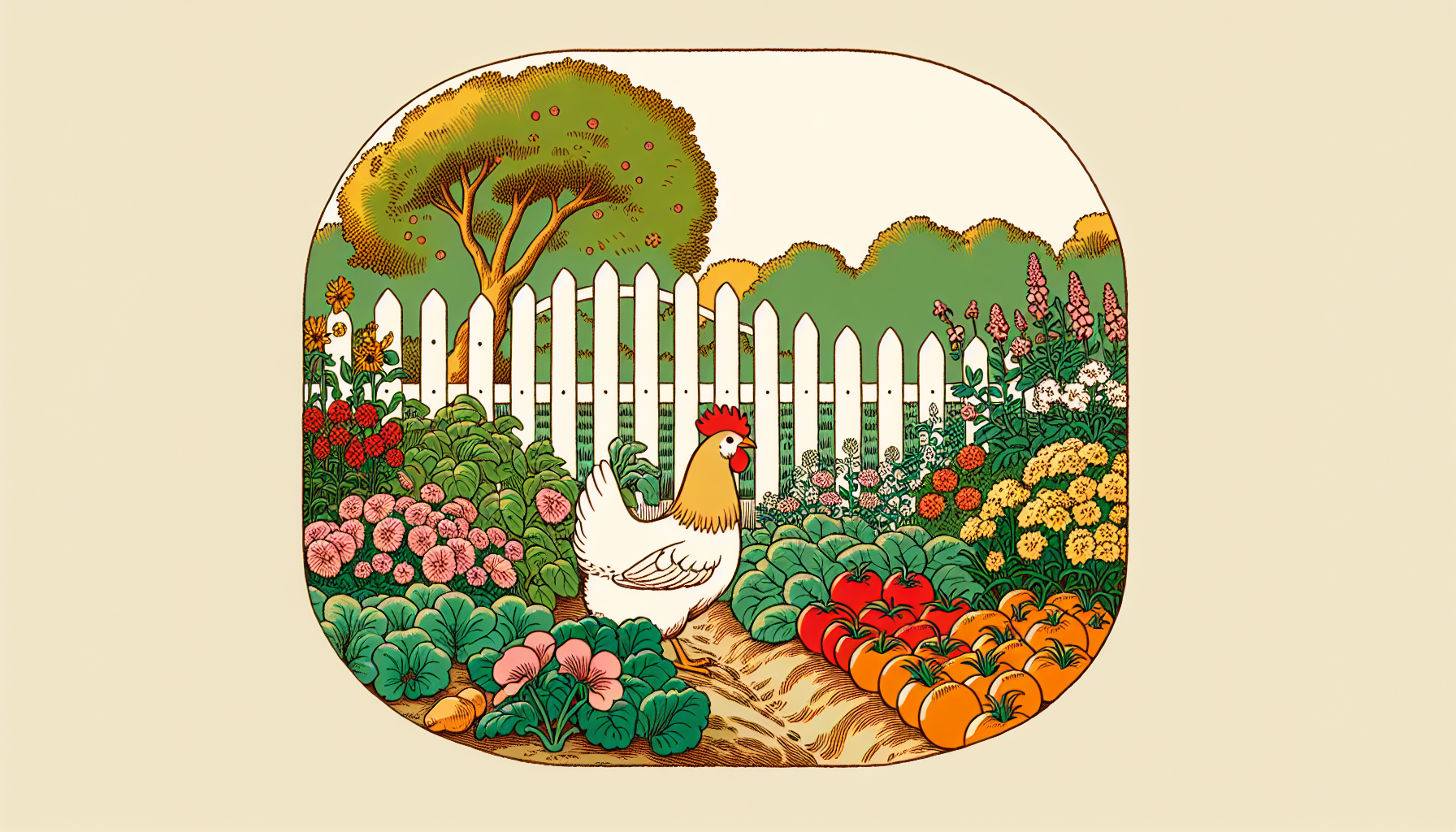
Robust, calmer breeds or hybrids that cope well with changing weather conditions and have a friendly nature are suitable for keeping chickens in the garden in Switzerland. Light, very flighty flocks can be more prone to fence jumping and escapes and are more challenging to keep in small gardens. Many keepers opt for breeds that have both a good laying performance and a pleasant temperament, such as classic dual-purpose types or tried and tested domestic chicken breeds.
In addition to visual criteria such as plumage color and comb shape, robustness and social behavior within the group should also be taken into account. Expert advice from poultry breeders' associations, agricultural consultants or experienced hobby keepers will help you select suitable birds for the individual conditions in your garden.
Step-by-step implementation: From an empty garden to legal chicken farming
How can you plan a structured start to keeping chickens?
- 1 First check cantonal and communal regulations: Building regulations, zoning regulations, any distance rules and licensing requirements for the chicken coop.
- 2 This is followed by the planning of the coop location, run size, fencing and shaded areas, also taking into account the neighborhood situation and noise levels.
- 3 The coop, run and necessary equipment such as drinkers, feeders, litter and protection against predators are then set up and tested for practicality.
- 4 Before the chickens move in, the feeding plan, vacation replacements, responsibilities in the family and the procurement of feed and litter are organized.
- 5 After the chickens move in, the owners observe the new group of chickens closely, adapt routines and establish a stable procedure for feeding, cleaning and health checks.
This structured process helps to ensure that keeping chickens in the garden is legally compliant, conforms to animal welfare standards and is suitable for everyday use. If you invest sufficient time in planning, coordination with authorities and neighbors as well as in a solid coop and run construction right from the start, you will create the best conditions for healthy animals and long-term enjoyment of your own small flock of chickens.
Conclusion: Keeping chickens responsibly in the garden in Switzerland
Keeping chickens in the garden is possible in Switzerland if legal requirements, animal welfare-friendly husbandry conditions and the needs of the neighborhood are taken seriously. A sufficiently large, safe coop, a structured run, careful hygiene and daily care form the basis. Anyone who is familiar with cantonal and communal regulations, correctly registers buildings that require a permit and keeps the stock at a sensible size is operating within a sustainable legal framework.
For families, animal lovers and farms, a small flock of chickens in the garden offers the opportunity to combine animal welfare, environmental awareness and regional food production. With a realistic assessment of the time required, clearly defined responsibilities and expert advice on coop construction, feeding and health, nothing stands in the way of successful, sustainable backyard chicken farming in Switzerland.