Make your own chicken feed: Healthy recipes for Swiss livestock farmers
Fresh eggs every morning - a dream of many hobby gardeners in Switzerland. Anyone who keeps chickens in their own garden knows how much pleasure and benefit it brings. But sooner or later the question arises: What is the best way to feed my chickens? And can I make my own organic chicken feed? For Swiss livestock farmers in particular, for whom health, sustainability and budget are important, it is worth looking at homemade feed as a sustainable alternative to ready-made commercial feed.
In this article, you will find out why it is worth mixing your own chicken feed, what nutrients your animals really need in Switzerland and how you can put together a healthy, balanced ration using simple recipes and regional ingredients. We also provide practical tips on storage, explain the legal framework for Swiss keepers and clarify common sources of error. Whether you are a beginner or an experienced chicken fan - with this guide, you can feed your chickens naturally and responsibly.
Why make your own chicken feed? Advantages for Swiss keepers
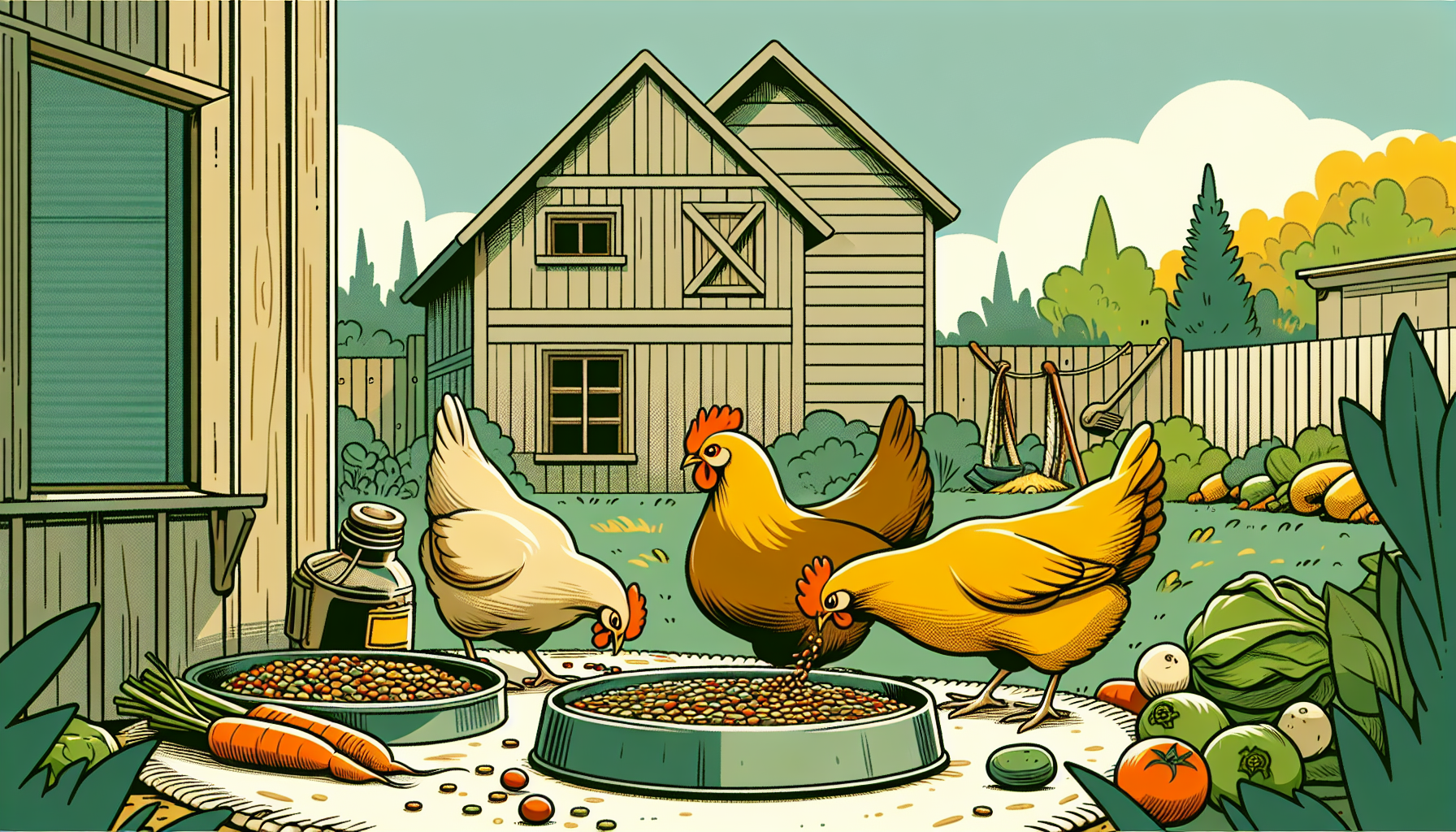
More and more hobby farmers in Switzerland are opting to make their own organic chicken feed. The reasons: more control over the ingredients, transparency of origin, less packaging and often lower costs.
High-quality feed plays a central role, especially in natural farming - as practiced in many Swiss households. By producing your own feed, you can cater specifically to the needs of your animals and use regional ingredients that grow in your area or are available from farm stores.
Promoting health and well-being
Individually tailored feed provides exactly the nutrients your chickens need - without any synthetic additives. A balanced diet strengthens the immune system, supports digestion and can improve natural laying performance. Older hens, young animals or animals in the moulting period benefit particularly from an adapted mixture.
Sustainability through regionality
If you make up your own chicken feed in Switzerland, you save on transportation, packaging and resources. Many ingredients such as grain, oilseeds or vegetables are available locally or can even be grown in your own garden. In this way, you as the owner are making an active contribution to environmental protection and the circular economy - also ideal in combination with composting and garden planning.
Cost-conscious feeding
Prices per kilo for organic laying hen feed from specialist retailers can be up to CHF 5. If you mix your own feed, you will save considerably in the medium term - especially if you have several hens. By purchasing larger stocks and making intelligent use of leftovers or farm produce, feed costs can be reduced in the long term without sacrificing quality.
What do chickens really need? Nutritional requirements in Switzerland
Before you start mixing, it is important to understand the nutritional requirements of your animals. In addition to age, a balanced laying hen diet also takes into account the time of year, activity level and Swiss weather conditions.
Basic building blocks of a balanced diet
- Proteins (16-18 %): Key role in protein formation, muscle development and feather growth. Good sources: Peas, soybeans, sunflower seeds.
- Carbohydrates: Provides energy. Regionally available as wheat, oats, barley, maize or spelt.
- Vitamins: B-complex as well as A, D, E and K are central for metabolism and the immune system.
- Minerals: Calcium, phosphorus and magnesium ensure firm eggshells and healthy bones. Sources: Shell limestone, eggshell powder, limestone meal.
Adjust feed according to the season
In winter, chickens need more energy and protein - for example through oats, linseed, dried insects or high-fat seeds. In summer, on the other hand, lighter mixtures with more fresh greenery and herbs are sufficient. Wild plants such as dandelion, clover or nettle can be fed as a supplement, but should be combined with dry grain feed.
Sources of supply in Switzerland
Organic feed ingredients are readily available in Switzerland - for example from Berggut, Via Naturale, mills with organic lines or certified farm stores. When shopping, look for Swiss origin, organic certification and GMO-free declarations. Local producers often also offer seasonal leftovers or loose goods.
Recipe ideas: Mix basic food and seasonal varieties
Homemade organic chicken feed offers maximum flexibility. With a basic recipe and a little finesse, you can easily create healthy, balanced rations - tailored to your animals and available ingredients.
Recipe for 5 kg organic grain feed
- 2 kg organic wheat grains
- 1 kg organic oats, flaked or whole
- 500 g sunflower seeds, unsalted
- 800 g pea meal or soybean meal
- 500 g organic maize, kibbled
- 200 g shell limestone or crushed eggshells (sterilized)
You can also mix in dried herbs, grated carrot, linseed or small amounts of garlic. A constant supply of water and fresh greenery, if available, is important.
Variants for special requirements
- For winter energy feed: More oats and linseed, possibly supplemented with black oats.
- For laying peaks: Increase protein with sunflower seeds, insect meal or soybean meal.
- For chicks and pullets: Grind finer, adjust protein to 20-22%, supplement with minerals.
Store feed correctly
Store your feed in a dry, dark and airtight container - ideally in garbage cans with lids. To avoid loss of nutrients:
- No direct sunlight, no moisture
- Only use clean containers with a label and date
- If possible, use up mixtures within 3 weeks
- Store fresh components separately
Pay attention to cleanliness during handling - rats, mice and the risk of mold can not only mean losses, but also pose a health risk for your animals.
Avoid mistakes: What hobby keepers in Switzerland should look out for
Even with the best intentions, homemade mixtures can become problematic if they are too one-sided, unhygienic or incorrectly dosed. A careful approach prevents typical mistakes.
Imbalances in the nutrient supply
Too little protein can lead to a drop in laying performance, while too much energy promotes obesity. Both have a negative effect on the vitality and health of the animals. Check mixtures regularly and observe feeding behavior and laying dynamics in the barn.
Prohibited or harmful ingredients
Not everything we use in the kitchen is suitable for chickens. You should particularly avoid
- Avocados (poisonous for chickens)
- Raw potatoes or green tomatoes (nightshade plants)
- Spoiled or moldy leftover food
- Spiced or salted food
According to the Swiss Ordinance on epizootic diseases (§35 TSEV), the feeding of leftovers of animal origin is strictly prohibited. Bread is also considered problematic if it is damp or moldy. If in doubt, it is better to use clean, fresh plant-based feed.
Hygiene - often underestimated
Clean mills, containers and troughs regularly with warm water and mild detergent. Check the feed daily for spoilage, contamination or pest infestation. Clean feed is the best disease prevention in the henhouse.
Practical implementation: How to successfully produce feed on a daily basis
With a little experience, compound feed can be seamlessly integrated into the weekly schedule. If you take an organized approach, you will benefit from healthy chickens, fewer surprises - and more enjoyment in everyday life.
Establish routines
Set a fixed feeding day - every 14 days or so - and premix larger quantities at your leisure. Create a storage system for your ingredients and always have a reserve of basic ingredients to hand. For smaller stocks, viewing jars or metal garbage cans are ideal.
Know the legal situation
For private keepers without commercial intentions (up to 50 animals), home production is permitted by law - as long as no animal by-products are used. However, the Swiss Animal Welfare Ordinance (TSchV) requires species-appropriate, balanced and hygienic feeding.
If you are unsure, it is worth taking a look at official information from the Federal Food Safety and Veterinary Office (FSVO) at blv.admin.ch.
Develop your own strategy
Document mixing ratios, laying performance and seasonal differences. This will allow you to develop your own personal feed strategy over time. Cooperation with local keepers, exchange communities or neighborhood projects is also worthwhile in the long term - for diversity and security of supply.
FAQ: Frequently asked questions about chicken feed production in Switzerland
Can I feed kitchen waste to my chickens?
Only vegetable, fresh and unseasoned leftovers - for example carrot peel or lettuce. Cooked, salted or animal products are prohibited by Swiss law.
How can I find suitable organic ingredients in my area?
Ask at organic farms, mills or weekly markets. Often there are also local groups where ingredients are bought together.
Do I need special food for the winter?
Yes, chickens need more energy in the cold season. Supplement with oats, linseed, insect protein or sunflower seeds.
How much feed does a chicken need per day?
Guide value: around 120-150 g per animal per day - depending on breed, activity and temperature.
Can I give feed to neighbors or colleagues?
Only in a private context without sale. For commercial distribution, you need an official license and must comply with feed legislation.