Bringing cats and dogs together harmoniously - step by step in Switzerland
Many pet owners in Switzerland would like to have a relaxed dog and cat in the same household - with peace and quiet on the sofa, play breaks and clear routines. In practice, however, the first encounters are often turbulent: growling, hissing and hunting impulses quickly cause stress. This is exactly where structured, everyday instructions can help. If you want to bring a dog and cat together, you need patience, a planned approach and a good understanding of body language. In this way, misunderstandings can be avoided, security created and positive experiences reinforced.
This article provides you with a tried-and-tested step-by-step guide for Swiss households - including planning, room layout, safety measures and realistic duration. You will learn how basic knowledge of animal psychology leads to better decisions, which tools have proven their worth and how to deal with setbacks with confidence. We also look at the legal framework, local contact points and rough costs so that you can plan the process realistically. The aim is to achieve a harmonious relationship that does not seem forced, but grows sustainably.
The basics of animal psychology and behavioral research
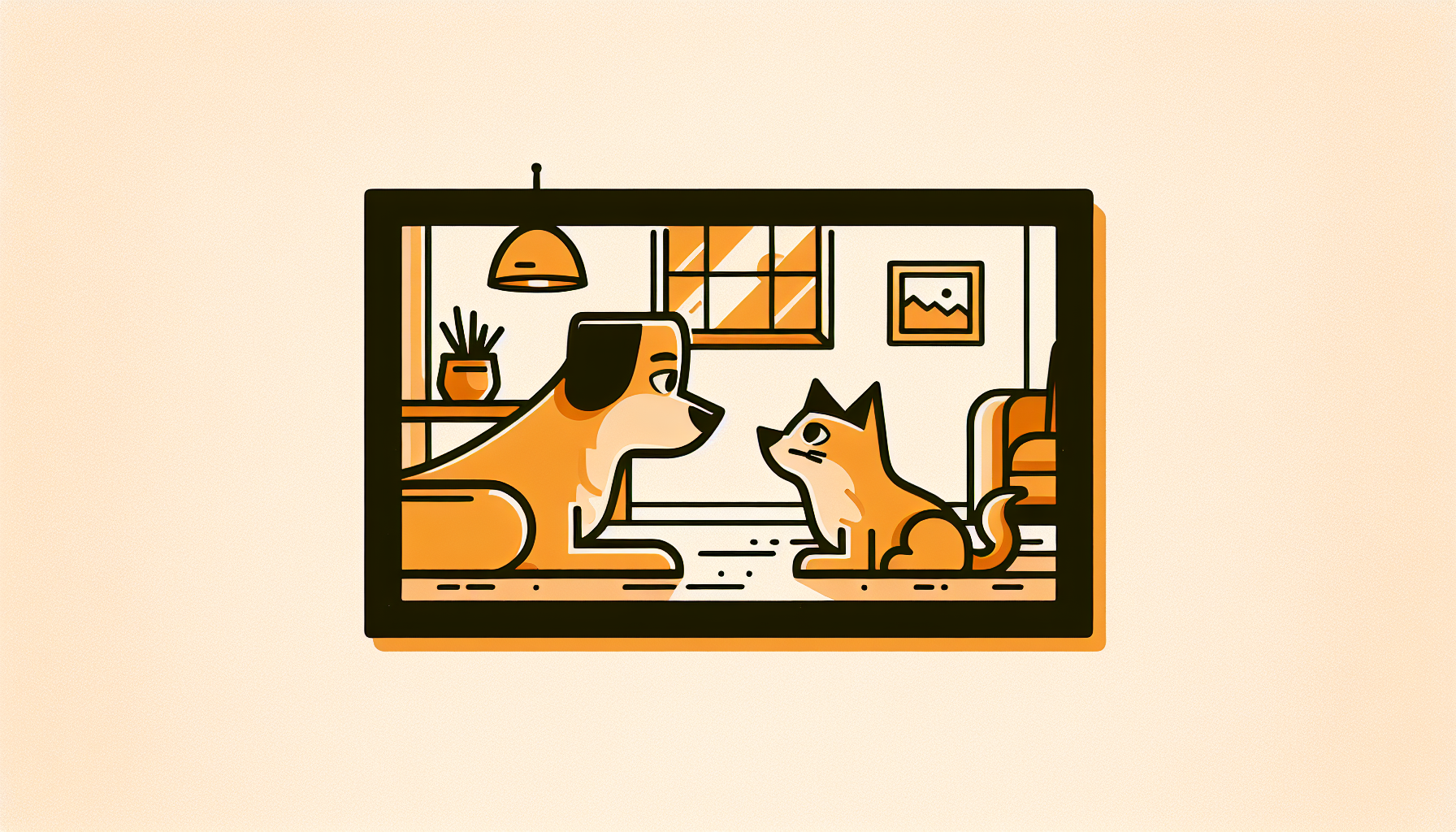
Before you introduce dogs and cats to each other, it is worth taking a look at their natural behavior. Many conflicts arise from misunderstandings - dogs and cats communicate differently, react differently and have different needs. If you want to bring dogs and cats together, you will benefit from consciously taking these differences into account.
Different body language and communication
A wagging dog tail often signals willingness to interact, while a lashing cat tail can indicate discomfort. Direct staring, which some dogs interpret as an invitation to play, often appears threatening to cats. Conversely, many dogs do not understand hissing or pawing, which encourages insecurity or impulsive reactions.
Social behavior also differs: dogs are usually group-oriented and follow hierarchies. Cats are territorial and decide for themselves when and how they allow closeness. Retreats, freedom of choice and the opportunity to create distance are therefore essential.
Instinctive reactions during the first encounter
In particular, breeds with strong prey-catching behavior - such as beagles, terriers or Bracken - react to a cat's quick movements with a hunting impulse. Cats, on the other hand, are cautious and prefer to flee if they are unable to assess behavior. However, if both animals learn that there is no danger from the other, the tension decreases and rapprochement becomes possible.
Preparation, patience and a moderating owner role are not an option, but a prerequisite for trust - and therefore the basis for bringing dog and cat together.
Preparations for the reunion
Careful planning significantly reduces stress and error rates. Before the first eye contact takes place, the general conditions in the home should be right: This is the only way you can bring dog and cat together without creating excessive demands.
Room design and retreats
Cats need safe, elevated places when a dog moves in: Scratching post, window sill or wall shelves that the dog cannot reach. A separate room with a litter tray, food and water provides additional security. This allows the cat to choose its own distance and maintain control over the situation.
A quiet area with a basket and privacy screen is suitable for the dog so that it can also find peace and quiet. It is important to have a clear route: both animals must be able to move out of the way and retreat at any time. This reduces excitement, prevents fixation in confined spaces and promotes trust.
Necessary utensils for a stress-free encounter
- Barred doors or baby gates: Enable visual encounters without physical contact.
- Transport box or cat carrier: For the first safe approach.
- Leash for the dog: Controlled behavior is easier to manage.
- Calming pheromones (e.g. Feliway or Adaptil): Available from pharmacies and vets. These help to reduce stress.
- Separate feeding areas and toys: Avoid resource stress by giving each four-legged friend their own things.
Practical cost framework in Switzerland: Baby gate 40-120 CHF, stable mesh door 60-150 CHF, leash 20-50 CHF, pheromone plug 30-50 CHF per month. An initial consultation with a qualified behavioral specialist usually costs between CHF 120-200, depending on the region; a veterinary health check often costs CHF 80-150. You should also allow time: For a solid foundation, many owners allow 2-6 weeks before closer contact is possible.
Step-by-step guide to reunification
Carefulness, repeatability and clear criteria are crucial. Proceed in small, predictable steps and only step up when both animals have remained stable. This will allow you to reunite dog and cat without provoking setbacks.
1. familiarize yourself with smells and noises in advance
Swap blankets, cushions or toys so that both animals memorize each other's scent positively. Let the cat inspect the dog's basket - and vice versa. Sounds such as meowing or quiet barking can be played as a soundtrack. This creates a first, safe impression without direct confrontation.
2. first encounter at a distance - visual and safe
The first visual encounter takes place through a barrier, ideally a gate. The dog remains on a lead or close to the owner. Observe closely: if the body tension is low, followed by brief eye contact and calm sniffing, you can slowly reduce the distance over several days. In the event of panic or aggression, step back and try again later.
- Body posture tense or relaxed?
- Does the cat show escape behavior?
- Does the dog try to bark, jump or remain calm?
If the reactions are stable and calm - soft face, normal breathing rhythm, no fixation - gradually extend the sequences. Quality before quantity.
3. closer interactions - under close supervision
After several positive visual encounters, the first brief contact in the same room follows. The dog remains on the lead, the cat moves freely and always has an increased possibility of evasion. End each sequence while both are still calm and reward calm behavior with a calm voice or a small treat.
Plan several short sessions per day, if possible without additional stimuli such as visitors. Repeated, well-executed micro-steps reinforce trust and make progress measurable.
Safety aspects during reunification
Safety first - for animals and humans. Even if things go well, tensions can arise in the short term. If you want to reunite a dog and cat, you should recognize warning signals early on, create distance and break the process down into controllable steps.
Recognize body language and signals
Typical stress or warning signals in dogs:
- Fixed gaze, ruffled fur, growling or barking
- Pushing forward, despite the lead
- Fixating the cat with high body tension
Typical warning signals in cats:
- Hissing, humping, pinned ears
- Running away quickly and difficulty coming back
- Marking behavior (urinating outside the toilet) in case of uncertainty
If such signals are overlooked, the risk of injury increases. Always have a barrier or sufficient space between the animals at the beginning - and interrupt in good time before the situation escalates.
De-escalate and avoid conflicts
Do not intervene with your hand when tensions arise. Clap your hands, stand calmly in between and lead one of the animals out of the situation in a controlled manner. In the event of repeated aggression, a temporary step back in the plan and professional support usually helps.
In Switzerland, you can find qualified behavioral advice and approved dog schools through the cantonal veterinary offices. Zurich, for example, has been regulating training courses in a new and uniform way since June 1, 2025; contact the cantonal veterinary office for more information. The aim is always to create a climate of safety and freedom of choice instead of enforced proximity.
After the successful merger
Acceptance manifests itself in calm coexistence, relaxed coexistence, occasional play or shared rest. Now it is important to maintain this balance. If you have been able to bring dog and cat together, stabilize the result with routines, structure and further stress management.
Establish structured cohabitation
Consistently maintain separate feeding areas and retreats. Many tensions arise from defending resources. Common rituals - fixed feeding times, quiet windows, short interactions under supervision - reduce agitation and make living together predictable.
Plan deliberate "positive points of contact":
- Simultaneous rewards for calm behavior
- Simultaneous play under supervision (e.g. with two play fishing rods)
- Quiet walks with the dog when the cat is in sight
Stay alert: Illness, relocation or hormonal changes can temporarily change behavior. Then return to shorter, safer steps and consolidate again.
Laws, recommendations and veterinary guidance in Switzerland
In Switzerland, the Animal Protection Act and Animal Protection Ordinance regulate the keeping of pets. They require animals to be kept according to their needs - this includes safety, retreat and avoiding permanent stress in a multi-animal household. The Federal Food Safety and Veterinary Office provides good overviews, for example on keeping pets and wild animals (see FSVO information page, FSVO). If you want to keep a dog and cat together, you will also find information there on training and handling animals.
Cantonal regulations vary. As of June 1, 2025, the Canton of Zurich has revised its mandatory training regulations; information on courses, learning objectives and responsibilities is available online from the Veterinary Office(Canton of Zurich). Legal background and practical information for owners is also provided by the Foundation for Animals in the Law, for example on cat ownership and typical legal issues(Tier im Recht). For medical clarification and vaccination status, contact your veterinary practice; you can find specialists with a connection to Switzerland via the GST, among others.
Conclusion: Bringing a dog and cat together - with heart, knowledge and patience
Reuniting is not a quick project, but an investment in relationship security. With a clear plan, realistic expectations and consistent security, even opposing characters can be integrated harmoniously. Pay attention to freedom of choice, short positive sequences and consistent retreat options - this way you can bring dog and cat together without building up pressure.
Especially in Switzerland with its clear animal welfare regulations, informed pet ownership is doubly worthwhile: it protects animals, prevents conflicts and builds trust. If you would like support, get help from your veterinary practice or a qualified behavioral specialist at an early stage - small corrections at the right time often make all the difference.
FAQ: Frequently asked questions from the practice
Question: How long does the acclimatization process take? Answer: Many teams need 2-6 weeks to achieve relaxed contact; sensitive animals or hunting dog breeds often need longer. The pace is always set by the slower animal.
Question: Should the cat be free in the house first? Answer: Yes, give the cat safe retreats and an overview first. The dog is introduced in a controlled manner, on a lead and with short, positive sequences.
Question: What should I do if the dog fixates on the cat? Answer: Immediately create distance, release the dog's gaze (change of orientation, sit), reward calm behavior and go back a step in the training plan. Next time start at a greater distance.
Question: Does food help with the approach? Answer: Yes - targeted and dosed. Short, calm sequences followed by a reward associate the other four-legged friend with positive things. However, avoid competition at feeding areas.
Question: When is unsupervised contact allowed? Answer: Only when every session has been calm for several days, no hunting or flight reactions occur and both dogs show reliable signals. Before that, barriers remain mandatory.
Would you like to take a structured approach to the process? Make an appointment for an initial consultation or discuss the individual plan with your vet. This way, good preparation becomes harmony in everyday life.