

Hypoallergenic dog breeds: Allergy-friendly companions
If you suffer from a dog allergy in Switzerland but still want to live with a faithful four-legged friend, you face a particular challenge. This is because allergic reactions to dogs are mainly triggered by proteins in saliva, dander and urine - not primarily by hair. Nevertheless, there are so-called hypoallergenic dog breeds that are often much better for allergy sufferers. Important to know: "hypoallergenic" does not mean "free of allergens", but merely "less allergenic".
In this article, you will find out which dog breeds are particularly suitable for allergy sufferers in Switzerland, what the legal requirements are and how you can significantly reduce the risk of allergies in everyday life through targeted care and husbandry. With a focus on Swiss needs, environmental conditions and the legal situation, we will show you the way to living together with your dog with as few symptoms as possible.
Which dogs are suitable for allergy sufferers in Switzerland?
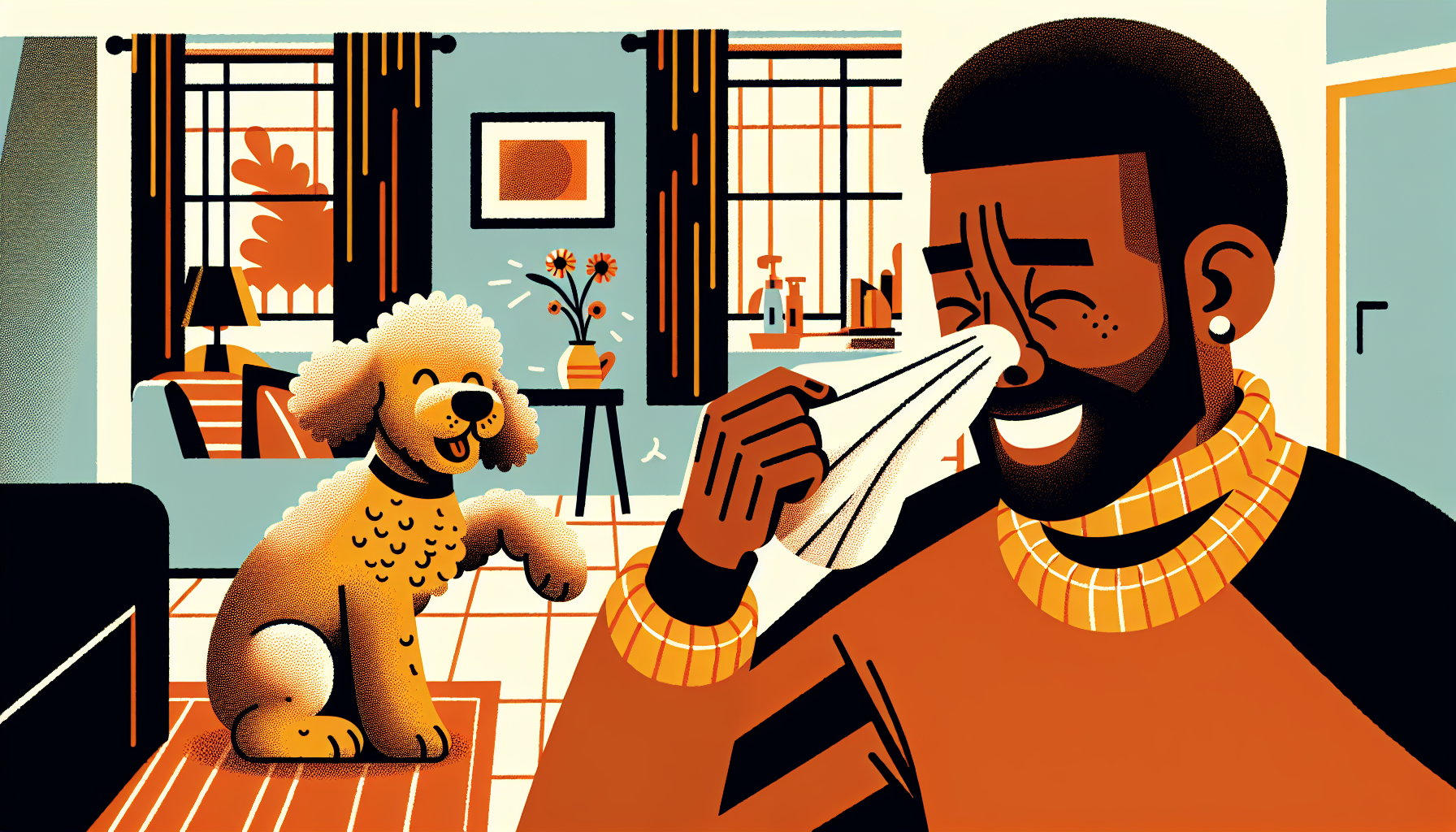
For people with dog allergies, there are some dog breeds that are considered particularly allergy-friendly. These hypoallergenic dogs produce fewer allergens or have a coat that binds hair and dandruff better. This means that fewer irritating particles get into the air - a clear advantage for those affected.
Allergy-friendly dog breeds at a glance
The following breeds are particularly popular among allergy sufferers in Switzerland:
- Poodles - whether toy, small, medium or large - hardly shed any hair. Their tightly curled coat effectively keeps dandruff at bay.
- Labradoodle - bred from Labrador and Poodle. Many lines have been bred to be low in allergens, but tolerance is individual.
- Bichon Frisé - small family dogs with a soft curly coat that sheds well.
- Maltese - their long, silky hair hardly sheds. Regular grooming is necessary to reduce allergens.
- Portuguese Water Dog - robust, hardly sheds, sporty character. Made famous by the Obama family.
- Schnauzer - available in mini, medium and giant size. Low shedding, alert and loyal.
Important: Every person reacts differently to dog proteins. Before making your choice, we recommend a compatibility test at a Swiss animal shelter or directly at the breeder. Hormonal factors, food or the dog's state of health also influence the allergen profile.
Legal situation and allergies in Switzerland
According to the Swiss Allergy Center aha!, around 20% of the population suffer from an animal hair allergy - with dogs just behind cats. Many sufferers are unaware of their allergy, which is why an even higher number of unreported cases is assumed.
Symptoms range from itchy eyes to allergic asthma and often affect the whole family - especially if children are affected. The desire for a loyal pet and health compatibility often come into conflict.
What does Swiss law say about keeping dogs with allergies?
Choosing an allergy-friendly dog is a private matter. The Swiss Animal Welfare Act (TschG) and the Animal Welfare Ordinance (TSchV) demand species-appropriate keeping - regardless of the breed. Sufficient exercise, social contact with other dogs of the same species and species-appropriate activity are mandatory.
Some cantons - including Zurich, Geneva and Ticino - have special regulations for so-called listed dogs. For these breeds, owners require additional permits or must have a temperament test carried out. Hypoallergenic dogs are not usually included on these lists - but it is still worth checking local legislation before buying.
Special mention should also be made of assistance dogs: allergy sufferers with special needs can apply for an appropriately trained assistance dog in cooperation with organizations such as the Swiss Red Cross (SRC) or the Foundation for Blind and Visually Impaired People (SBH).
Selection and keeping: What allergy sufferers should look out for when buying a dog
The most important measure before purchasing a hypoallergenic dog is a personal allergen tolerance test. Many reputable Swiss breeders or animal shelters offer trial homes or intensive introductory phases. This allows you to realistically experience whether direct contact will trigger symptoms.
Important criteria when choosing a dog
- Does the dog come from a proven allergy-friendly breeding line?
- Does the breeder voluntarily provide information on the allergen profile and health status?
- Has the dog been kept outdoors in an allergen-rich environment (e.g. hay or stables)?
The dog's behavior also plays a role: Does it lick a lot? Is physical contact desired? Does it have access to all living areas or only certain zones? Small dogs are not automatically better, but often cause fewer particles per square meter of space.
Everyday tips for allergy-conscious living
- Set up dog-free zones in the home - especially the bedroom
- Moisten the dog lightly after walks to remove pollen and dirt
- Avoid carpets and fabric-rich furniture - smooth floors are easier to clean
- Install air filters if necessary - especially in humid parts of the country such as Ticino
In properties with a garden, dog areas can be better demarcated. The climate in the region also has an influence: In areas with high humidity, a hygrostat helps to control the indoor climate and reduces additional mold contamination.
Care, cleaning and clean everyday living together
Hypoallergenic breeds often require more intensive care to maintain their low allergen status. Professional dog salons in many Swiss cities offer regular grooming services - ideally every 6 to 8 weeks.
Grooming routine for allergy-friendly dogs
- Brush the dog outdoors 2-3 times a week
- Use mild care shampoos (e.g. with aloe vera or camomile)
- Clean paws and coat briefly with a damp cloth after every walk
Dog beds and blankets should be washed at a minimum of 60 °C - ideally weekly. Choose materials made of cotton or linen, as synthetic fabrics can attract dust.
Cleaning methods for an allergy-friendly household
- Use a HEPA vacuum cleaner (min. H13)
- Damp mop smooth floors daily
- Ventilate several times a day or install air purifiers with a filter system
- Avoid cleaning products with strong fragrances - use certified ecological cleaning products (e.g. with the "Swiss Ecolabel")
Structured hygiene habits will noticeably reduce the allergen load - without having to sacrifice closeness and enjoyment of life with your dog.
Health and financial aspects for allergy sufferers with dogs
Keeping a hypoallergenic dog in Switzerland involves certain investments. Purebred allergy-friendly dogs such as Poodles or Labradoodles cost between CHF 2,000 and 4,000 from a reputable Swiss breeder - depending on the line, health certificates and demand.
What does a hypoallergenic dog cost on average?
- Groomer: CHF 60-120 every 1-2 months
- Grooming products: CHF 10-30 per month
- Veterinary costs: CHF 300-500 per year
- Technical equipment (HEPA vacuum cleaner, air purifier): CHF 200-800 one-off
These investments often pay off for allergy sufferers in everyday life. This is because reduced exposure to allergens can also avoid medical treatment in the long term and improve quality of life. Exercise, structure and emotional closeness to the animal also improve well-being.
Does a dog even improve allergy health?
Various studies suggest that controlled contact with hypoallergenic dogs can lead to gradual desensitization under certain circumstances - in consultation with an allergist. Dog owners also benefit psychologically and socially:
- More exercise and time out in the fresh air
- Everyday structure through walking and grooming
- More social interaction and less isolation
People with allergy-related withdrawal in particular can experience a new zest for life and improved immune control with a well-adjusted pet.
Common misconceptions about hypoallergenic dogs
A common mistake is the idea that there are completely allergen-free dogs. Hypoallergenic breeds also distribute allergens - just in reduced quantities. Mixed breeds such as Goldendoodles or Maltipoos in particular are wrongly considered to be suitable across the board - whereas the gene distribution is decisive in each individual case.
Other typical mistakes:
- Failure to carry out personal compatibility tests
- Focusing on shorthair breeds, although these often shed more heavily
- Underestimating the amount of grooming required for long-haired dogs
Avoid disappointment by arranging a home trial before you buy. Many Swiss animal shelters - such as the SPA Lausanne or the Arche animal shelter in Winterthur - offer such contact options.
A medical blood test by an allergist can also clarify which dog allergens are particularly reactive. Important: If necessary, involve the whole family in this decision - partners or children can also be sensitive.
Conclusion: With preparation and caution to an allergy-friendly companion
Keeping a dog despite an allergy is also possible in Switzerland - with realistic expectations, good preliminary clarification and suitable housing conditions. Hypoallergenic breeds such as Poodles, Schnauzers or Bichon Frisé offer many allergy sufferers the chance to live together with an animal friend without symptoms.
A clean environment, targeted care and medical supervision help to make everyday life with a dog healthy. If you are unsure, seek advice from certified breeders, vets or organizations such as the Swiss Allergy Centre aha! or SRC. This will help you create the best conditions - for your health and the well-being of your pet.
FAQ - Frequently asked questions from allergy sufferers in Switzerland about keeping dogs
Is it possible to get used to dog allergens?
Yes, in some cases desensitization is possible - often through regulated contact over a longer period of time, preferably under allergological supervision.
Which is the most allergy-friendly dog breed in Switzerland?
Poodles are considered particularly suitable as they shed very little and have a dense, allergen-binding coat. Bichon Frisé, Schnauzer and Maltese are also often well tolerated.
Are there also hypoallergenic dogs in animal shelters?
Yes, some Swiss animal shelters also have hypoallergenic breeds. Ask specifically and test their tolerance on site.
Does an air purifier help with dog allergies?
An air purifier with a HEPA filter can significantly reduce the concentration of particles in the room. In combination with ventilation and cleaning, this reduces the allergen load.
Can I even keep a dog if I have a severe allergy?
That depends on the individual severity and professional advice. In some cases, a specially trained assistance dog is also an option.