Stroking your dog properly: how to strengthen your dog's confidence
Whether on the sofa during a cozy get-together or on a walk - petting is part of everyday life for many dog owners in Switzerland. But not every touch is automatically perceived as pleasant by dogs. Misunderstandings often arise because the dog's subtle signals are overlooked or misinterpreted. Yet proper petting is much more than just a sign of affection - it strengthens the emotional bond, influences behavior and promotes trust in the long term.
In this article, you will find out why correct stroking is so important for the relationship with your dog and how you can put it into practice. We show you which areas of the body dogs particularly like, how to interpret body language correctly and when caution is advised - for example with strange dogs or sensitive four-legged friends. You will also receive valuable tips on how to use touch to relax and build trust.
Whether you are a new dog owner in Zurich or live with your faithful friend in Appenzellerland, this guide will help you to understand your four-legged friend better and build a harmonious relationship based on respect and closeness.
Why proper petting is important for your dog
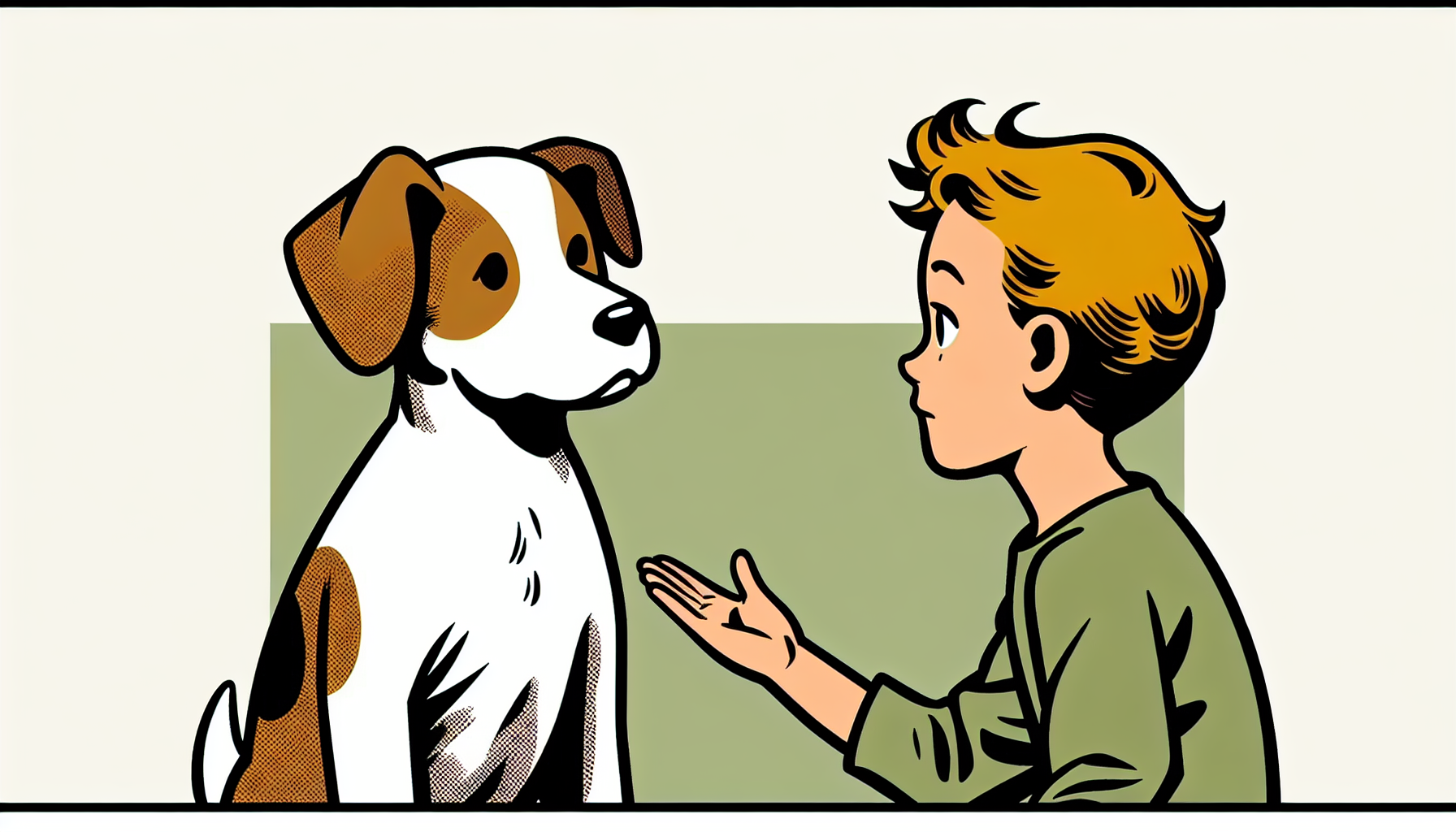
A dog is a sensitive creature with individual preferences and boundaries. Touching him in a respectful and appropriate way not only strengthens your bond, but also has a positive effect on your dog's emotional well-being and safety.
Positive effect on the human-dog relationship
Petting is a social interaction that builds trust. Studies show that the hormone oxytocin is released during harmonious physical contact - in both dogs and humans. This hormone reduces stress, calms and increases familiarity. For dogs from animal welfare organizations in particular, attentive stroking often acts like a key to a new world full of security.
A gently stroked dog is easier to lead, is more cooperative in everyday life and often shows more stable behavior - even when visiting the vet or in unfamiliar situations. Trust that is built up through touch pays off in many everyday situations.
Possible disadvantages of careless contact
If, on the other hand, a dog is stroked without consideration for its body language or in sensitive areas, this can be unpleasant or even threatening. Petting over the head in particular is perceived as confrontational by many dogs. Even children who touch spontaneously and carelessly may provoke aggressive behavior or withdrawal.
In the long term, incorrect touching can undermine trust, cause stress and make a healthy relationship more difficult. This is especially true for dogs with traumatic experiences, poor socialization or age-related sensitivities.
Instructions: How to pet your dog properly
It is important to know where and how dogs find touching pleasant. Although personal preferences differ from dog to dog, there are clear rules that serve as a guide.
Popular petting zones for dogs
Most dogs enjoy gentle touches in the following areas of the body:
- Chest area - considered a neutral and pleasant zone
- Lateral neck and shoulder area
- Flanks in the rib area
- Base of the tail (not directly on the tail!)
These areas are generally considered to be pet-friendly. Nevertheless, it is worth keeping a close eye on your dog's reactions, as even well-intentioned touches can be too much.
Treat areas with caution
Some parts of the body are highly sensitive or vulnerable and should only be stroked after consultation or after building up trust:
- Head and forehead - often have a dominating effect
- Paws - particularly sensitive in many dogs
- Ears and tail - sensitive to pain and susceptible to injury
- Belly - vulnerable zone despite apparent invitation
Many dogs show their belly as a gesture of trust or submission - not necessarily as an invitation to be scratched. Therefore, never force contact if there is uncertainty.
Interpret signals correctly: Your dog's body language
A relaxed dog shows through its body language that it wants to be stroked:
- Gentle tail wagging in a low posture
- Soft gaze, possibly half-closed eyes
- Relaxed mouth, slightly open
- Body approaches or leans slightly towards you
- Nudging with the muzzle or purposefully searching for your hand
Stay attentive while petting: if your dog pulls away or his body becomes stiff, stop touching him and give him space.
Tips for a stress-free petting experience
Harmonious petting starts with your own attitude: calmness, patience and authenticity are transferred directly to the dog - and make the interaction a real feel-good moment.
The right stroking technique
Slow, steady movements with the flat of your hand along the direction of the fur have the greatest calming effect. The shoulders and chest are particularly suitable for slow, circular massages, which help to relax - especially in older dogs with arthritis or tension.
Avoid frantic scratching or patting. Every touch should be mindful and clear. As soon as your dog shows signs of discomfort (e.g. muscle twitching, refusal, stiffness), adjust the intensity immediately or stop the interaction.
Choose the right environment
Petting sessions should take place in a relaxed atmosphere: Avoid busy places with noise or distractions such as building sites, stores or parks at peak times. Quiet corners at home, walks in nature or relaxed times such as the evening are suitable.
Do not wake your dog for petting. Let him choose whether he wants to make contact with you. An open posture and calm voice promote trust and prevent negative associations.
When restraint is appropriate
Not every petting session is welcome - especially with unfamiliar or stressed dogs, a well-intentioned touch can quickly turn into a dangerous situation. To avoid such moments, it is worth being careful.
Recognize warning signs early
A dog that feels uncomfortable shows subtle stress signals. These include:
- Yawning, licking tongue, laying ears back
- Stiffening or turning their head to the side
- Fixating gaze or narrow pupils
- Raising a paw or tensing the body
- Growling, showing teeth or retreating
It is important not to ignore these signs. Never enforce contact. Respect the body language - this shows your dog that he can rely on you.
Dealing with strange dogs in Switzerland
Never touch strange dogs without asking - even if they appear friendly. In Switzerland, dog owners are liable for damages (§ 56 OR), even in the case of seemingly harmless biting incidents. Therefore, always ask permission before petting a dog. Children in particular should learn to respect this consistently.
In many Swiss cantons, special regulations also apply to contact with dogs in public spaces - a conscious and informed approach protects everyone involved.
Promoting well-being in a targeted manner - also with support
Proper petting can be learned. If you want to delve deeper or live with a sensitive dog, you can find targeted support in Switzerland - e.g. through dog schools or trainers specializing in touch.
When professional advice is helpful
If your dog avoids touch or reacts fearfully or aggressively, it's worth getting coaching or a behavioral analysis. In Switzerland, many certified specialists work specifically with TTouch, bodywork or positive reinforcement. The costs are usually between CHF 80 and 150 per session.
An early investment in mindful handling can prevent many problems - and promote peaceful coexistence for years to come.
Long-term benefits for your everyday life
A dog that feels safe and understood shows more composure and confidence - whether at the doctor's, on the train or when meeting others. Older dogs in particular benefit from regular, thoughtful touching: They promote mobility, offer closeness and often serve as daily social bonding.
Consciously establish positive rituals in your everyday life - your dog will return the favor many times over.
FAQ - Frequently asked questions about stroking your dog properly
How can I tell if my dog really likes being stroked?
A relaxed body, gentle tail wagging and approaching are good signs. On the other hand, body language that doesn't match - such as stiffening, averting your eyes or licking your tongue - indicates discomfort.
Can I stroke every dog on the belly?
No. Even though many dogs turn their backs, this does not automatically signal "stroke me". The belly is a vulnerable area and petting should only take place if the dog is relaxed and willing to allow contact.
Does it make sense to familiarize children with the subject of petting at an early age?
Absolutely. Children should learn to respect dogs, read their reactions and always ask permission first - both from the owner and by observing the dog.
Does petting help to build trust with a shelter dog?
Yes - if it is targeted, mindful and stress-free. Trust is not built through coercion, but through observation, consideration and recurring positive experiences.
Can I do something good for my senior dog with special techniques?
Yes, many older dogs respond particularly positively to massage or warm stroking, e.g. with circular movements on the shoulders and back. Always pay attention to signs of pain and freedom of movement.
If you live in Switzerland and are unsure how you can improve your touch, specialists in dog behavior or Tellington Touch can help - either online or directly on site. This turns petting into real relationship care with added value.