Healthy homemade rabbit treats: simple recipes for Switzerland
Many Swiss owners of dwarf rabbits want to do something good for their animals - as a reward, for meaningful activity or simply out of affection. However, the choice on the densely packed shelf of snacks is often confusing: many products contain sugar, cereals or artificial additives and can promote obesity, dental problems or digestive disorders. This is why there is growing interest in healthy rabbit treats that you can easily make yourself. In this article, you will find well-founded, practical recipes, clear guidelines for feeding, tips on portioning and a cost comparison with ready-made products. All suggestions are tailored to Switzerland - with ingredients that you can easily find at Migros, Coop, in organic stores or at the weekly market.
We show you step by step how to prepare healthy rabbit treats with just a few natural ingredients. Selected herbs, carrots, apples and beetroot are sensibly combined, carefully processed and portioned in such a way that they enrich the everyday life of dwarf rabbits - without replacing the basic diet of hay, fresh food and water. This promotes bonding, provides variety and keeps an eye on your pet's health at the same time. Let's start by explaining why healthy rewards are important in the first place and how to avoid typical mistakes.
Why healthy treats are important
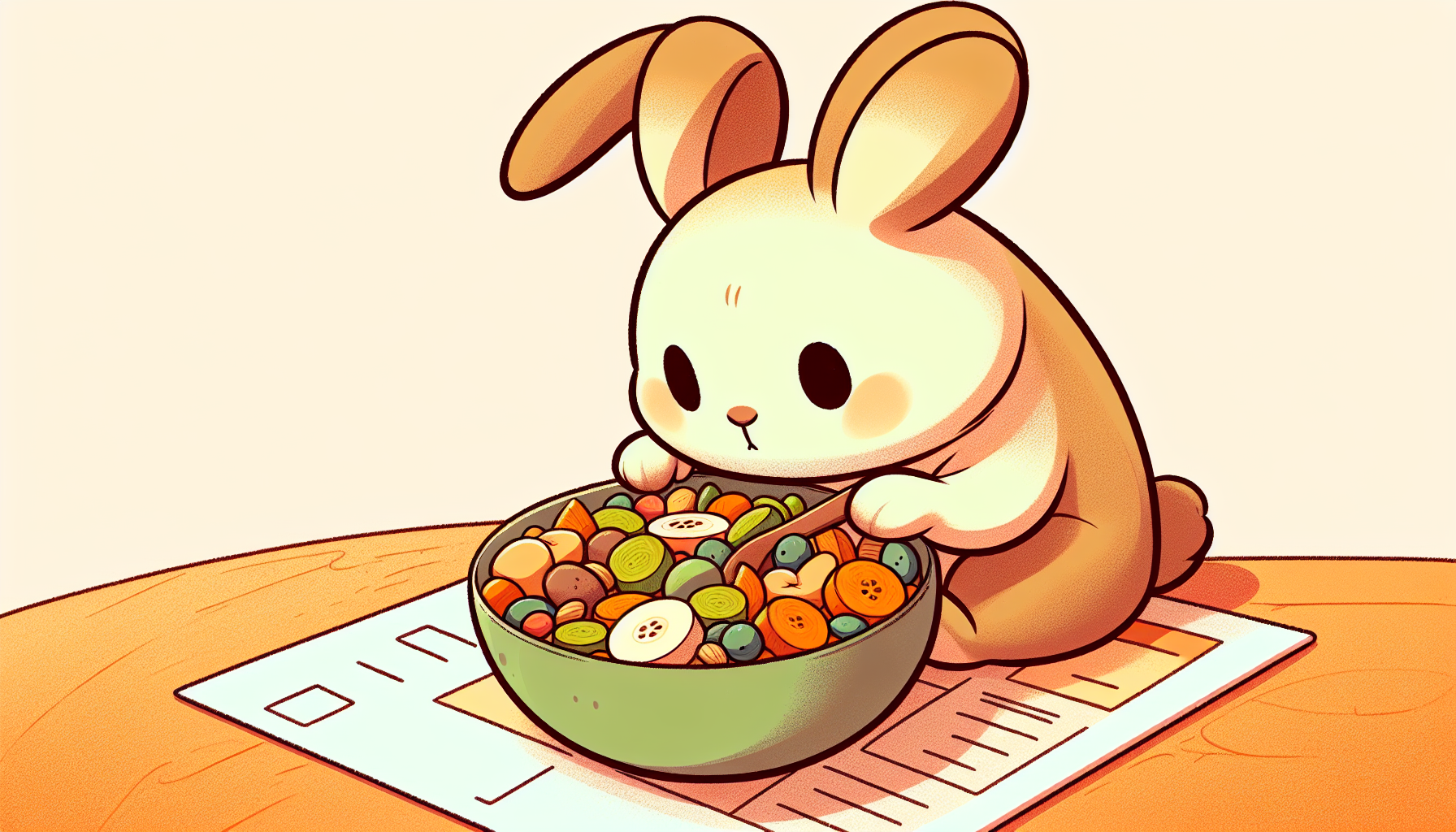
Treats are more than just small snacks - used correctly, they support training, confidence building and activity. The decisive factor is quality: healthy rabbit treats complement a species-appropriate diet without burdening the sensitive digestive tract. They help to create positive associations and build up motivation, but remain a supplement to the daily basis of hay, fresh green food and water.
As pure herbivores, rabbits are dependent on raw fiber-rich food. High-sugar, cereal-heavy or fatty ingredients disrupt the intestinal flora and increase the risk of obesity and misaligned teeth - especially in dwarf rabbits kept indoors. Fiber-rich, natural ingredients that challenge the chewing apparatus and support intestinal motor skills are better. Official bodies recommend hay ad libitum, supplemented with selected herbs and vegetables; sweets should only be added to the bowl in very small quantities (BLV: food and water).
Homemade snacks offer full control over the ingredients - without artificial flavors, colors or preservatives. They can also be adapted to age, activity level and weight. This creates healthy rabbit treats that are fun to eat and at the same time meet your pet's needs. It remains important: Rewards never replace the basic diet, but round it off in a targeted manner.
Functional ingredients are another plus point. Certain herbs can aid digestion, satisfy gnawing needs or provide seasonal variety. If you consistently pay attention to quality and keep an eye on the quantity, you minimize risks and improve your dwarf rabbit's quality of life - day after day.
Suitable ingredients for healthy rabbit treats
Switzerland offers a large selection of regional and seasonal products. Conscious purchasing lays the foundation for healthy rabbit treats with short transportation routes and reliable quality. Opt for natural, organic ingredients that are as untreated as possible, provide raw fiber and are easy to portion. This benefits taste, digestibility and sustainability in equal measure.
Regional plants and herbs
Many suitable ingredients grow on your doorstep - in the garden, on the balcony or on unsprayed meadows. Popular and well tolerated are, among others:
- Dandelion (leaves, flowers)
- Camomile, ribwort plantain and yarrow
- Peppermint and lemon balm (from the garden)
- Nettle (dried, do not feed fresh due to irritant effect)
- Apple tree leaves and birch leaves
These wild herbs provide valuable vital substances such as calcium, vitamin A and secondary plant substances. Make sure you have clean collection points away from roads and dog meadows and introduce new herbs slowly. This keeps healthy rabbit treats well tolerated and varied.
Seasonal considerations and storage
There are numerous types of fruit and vegetables available throughout the year. Particularly suitable are:
- Carrots (raw or gently dried)
- Kohlrabi leaves
- Apple pieces (sparingly, due to fructose)
- Beetroot (raw, only in small quantities)
Fruit contains a lot of fructose and should only be used very sparingly as a special reward. Gentle drying - in a dehydrator or in the oven at around 40 °C with the door open - extends the shelf life and intensifies the aroma. For guidelines on snack quantities and suitable fresh food selection, it is worth taking a look at independent guides. This way, healthy rabbit treats remain a small, well-planned addition.
Availability in Swiss markets
You can find many ingredients in Swiss organic stores such as Alnatura, in health food stores, at Migros and Coop or at weekly and neighborhood markets. Farm stores in the region often sell untreated herb bundles, organic carrots or dried apple rings - ideal for your recipes and a plus for regionality.
Tip: When buying dried fruit and herbs, look out for labels such as "unsulphurized" and "without additives". Sulphur dioxide can harm sensitive animals. With few, clearly declared ingredients, healthy rabbit treats remain digestible and transparent.
Simple recipes for homemade rabbit treats
The following recipes are tailored to dwarf rabbits in Swiss households. They require few, easily available ingredients and can be prepared quickly. This results in healthy rabbit treats where you can determine the quality yourself right from the start - ideal for conscious reward moments.
Recipe 1: Carrot and oatmeal cookies
Ingredients:
- 1 medium-sized organic carrot
- 50 g tender wholemeal oat flakes
- 1 tbsp ground linseed (for binding and omega-3 fatty acids)
- Water as required
Preparation:
- Finely grate the carrot.
- Mix with rolled oats, linseed and a little water to form a malleable mass.
- Shape into small balls or cookies.
- Bake on baking paper at 120 °C fan oven for around 20-25 minutes.
- Leave to cool completely and store in a dry place.
Nutritional analysis: The cookies provide raw fiber from oat flakes and gentle energy from carrots. They are suitable as an occasional reward - 1-2 pieces per week, depending on the animal. So healthy rabbit treats remain a plus without being a calorie trap.
Recipe 2: Herb balls
Ingredients:
- 2 tbsp dried herb mix (e.g. dandelion, camomile, peppermint)
- 1 tbsp ground pellets (purely plant-based, grain-free)
- A little water for shaping
Preparation:
- Mix all ingredients and moisten slightly.
- Knead into a mass and shape into small balls (maximum hazelnut size).
- Leave to air dry for several days or dry in a dehydrator.
Nutritional analysis: Herbs provide secondary plant substances and activity when chewing. Feed a maximum of 1-2 balls per week and monitor tolerance. This keeps healthy rabbit treats varied and easy on the stomach.
Recipe 3: Fruit popsicles
Ingredients:
- 1 apple slice or 2 raspberries (organic, unsprayed)
- A little water
- 1 tsp dried herb mix
Preparation:
- Cut the fruit into small pieces, place in an ice cube tray with the herbs and a little water.
- Leave to freeze for at least 4 hours.
- Allow to thaw briefly, then serve.
Nutritional analysis: A cooling snack for hot days - only occasionally and in very small portions (1-2 cubes per week), only under supervision. Healthy rabbit treats thus remain a refreshing exception, not the rule.
Safety aspects and common mistakes
If you make your own treats, you are responsible for quality and safety. Clean ingredients, appropriate portions and gradual introduction are mandatory. This ensures that healthy rabbit treats remain well tolerated and support intestinal health. If you are unsure, it is worth taking a look at reputable guidelines or consulting your veterinary practice.
Dangerous foods
Some ingredients are unsuitable or poisonous and have no place in snacks. Consistently avoid:
- Avocado, onion, garlic, leek
- Chocolate, bread, dairy products
- Raw beans or raw potatoes
- Sweetened or spicy foods
Pieces that are too large can also be a choking hazard. If in doubt: small pieces, increase slowly, monitor closely. Independent specialist agencies (Swiss Animal Protection STS) provide guidance on a balanced basic diet.
Hygiene and preparation tips
Wash all ingredients thoroughly; wild herbs can be contaminated with harmful substances or parasites. If possible, use organic quality without residues, prepare small quantities fresh and store dry goods in a cool, dry and airtight place. Homemade snacks keep for 1-2 weeks depending on the degree of moisture, dried varieties for several months. This keeps healthy rabbit treats safe and aromatic.
Portioning and feeding
The total amount of treats should not exceed 5% of the daily ration. For a 1.5 kg dwarf rabbit, this corresponds to approximately
- 1 herb ball or
- 1 small cookie or
- 1 fruit cube (from recipe 3)
Regularly check weight, coat gloss and consistency of droppings. Loss of appetite or diarrhea are warning signals. The basis is always hay ad libitum, supplemented with selected fresh food - sweets only in very small quantities (House Rabbit Society: Treats and quantities). In this way, healthy rabbit treats can be sensibly integrated into everyday life.
Cost-benefit considerations
Is it worth the effort? A comparison shows: Industrial rabbit snacks (100-150 g) often cost CHF 4-8 in Switzerland, so the price per kilo is well over CHF 50 - often with moderate ingredient quality and sugar or grain content. Homemade versions cost around CHF 1-3 per portion, depending on the recipe, but are made with controlled, simple ingredients. This makes healthy rabbit treats an inexpensive and high-quality alternative.
Purchased vs. homemade
Homemade treats score points for transparency, fresh ingredients and portioning according to need. Buying seasonally is good for the budget and the environment. The time investment is manageable and can be easily integrated into the weekly schedule.
Budget-friendly ingredients
Carrots, oat flakes and dried herbs usually cost less than CHF 1 per 100g. If you grow your own herbs or use local seasonal produce, you can save even more. Using leftovers - such as carrot greens or kohlrabi leaves - further reduces costs without compromising the quality of healthy rabbit treats.
Long-term health benefits
Conscious feeding reduces the risk of costly visits to the vet due to dental or digestive problems. A high-fibre, low-sugar diet supports teeth, intestines and activity - recommendations that are also emphasized by authorities and animal welfare organizations (BLV). Healthy rabbit treats therefore contribute to vitality and well-being.
Conclusion: Healthy treats - an investment in joie de vivre
Homemade snacks combine what responsible rabbit farming in Switzerland is all about: quality, regionality, sustainability and animal welfare. With simple recipes, seasonal ingredients and clear portions, healthy rabbit treats are a sensible addition to everyday life. Observe your pet, adapt recipes and introduce new things slowly - this keeps feeding enjoyable and digestible.
Try out the recipes, choose ingredients from your region and make a note of what your dwarf rabbit particularly likes. If you would like a personal assessment, speak to your veterinary practice or seek advice from a specialist retailer. Start today with the first small baking session - your rabbit will thank you for it with delicious munching, curious activity and a long, healthy life.