Bird observation for beginners: How to start and what you need

Birdwatching is experiencing a real boom in Switzerland. More and more people are discovering the fascinating world of native bird species and find this relaxing hobby a perfect balance to their stressful everyday lives. Whether you have already observed your first birds in your garden or are completely new to the subject, birdwatching offers everyone the opportunity to experience nature more intensively and at the same time learn something about the local wildlife. This comprehensive guide will tell you everything you need to know as a beginner to successfully start birdwatching.
The right equipment for beginners
Getting started with birdwatching does not necessarily require expensive basic equipment. Nevertheless, there are some essential tools that will make your start much easier. A good pair of binoculars should be at the top of your equipment list. Models with a magnification of 8x32 or 10x42 are particularly suitable for beginners, as they offer an optimum balance between image quality and ease of use.
An identification book of Swiss bird species should also be part of your basic equipment. Modern bird apps for smartphones can provide additional support, but cannot replace the tactile experience of a printed guide. A notepad and pen help to record observations and document your own learning progress.
Weatherproof clothing in muted colors rounds off the beginner's equipment. Birds react sensitively to conspicuous movements and bright colors, which is why an appropriate choice of clothing significantly improves the chances of observation.
The best times for birdwatching
Timing plays a crucial role in birdwatching. The early morning hours, about an hour after sunrise, are considered the most productive time for observations. Many bird species are then particularly active in their search for food and display their characteristic behavior.
Dusk offers a second optimal observation time, especially for species that become more active towards the end of the day. During the breeding season in spring and early summer, particularly interesting behavior can be observed as the birds are busy building nests, mating and rearing their young.
Weather conditions have a significant influence on bird activity. Slightly cloudy days without strong winds create ideal conditions. After rain showers, many species are particularly active as they take advantage of the increased availability of insects and worms.
Ideal observation sites in Switzerland
Switzerland offers an impressive variety of habitats for a wide range of bird species. Beginners should start with nearby areas to enable regular observations and develop a routine.
City parks and larger gardens are ideal for first observation experiences. Common species such as blackbirds, robins, tits and finches live here and are relatively easy to observe and identify.
Water bodies such as lakes, ponds and riverbanks attract water birds and offer interesting observation opportunities all year round. Various species gather here, especially during the migration periods in spring and fall.
Tip for beginners: Start with a familiar area near you and visit it regularly. This will help you get to know the species that live there and develop a feel for the seasonal changes in the birdlife.
Learn to recognize common Swiss bird species

As a beginner, it makes sense to concentrate on the most common and conspicuous species first. The blackbird, with its black plumage (males) and characteristic song, can be found practically everywhere and is an ideal place to start.
The robin with its distinctive red breast is also easy to identify and often shows little shyness towards humans. Different species of tits such as great tit, blue tit and fir tit can be easily observed at feeders and are relatively easy to distinguish due to their characteristic coloration.
Common finch species such as chaffinch, greenfinch and goldfinch enrich every observation session with their colorful plumage and melodic calls. The distinctive song and coloration help with reliable identification.
Birds of prey such as the buzzard or kestrel are easily recognizable even for beginners due to their size and characteristic flight behaviour and offer spectacular observation experiences.
Understanding behavior and identification features
Successful birdwatching requires more than just recognizing colors and shapes. The behavior of birds often provides crucial clues to the species. Notice how a bird moves: does it hop or run? Is it climbing upside down on tree trunks or searching for food on the ground?
Posture also reveals a lot about a bird's identity. Some species, such as the robin, sit upright with their head raised, while others, such as the white wagtail, adopt a more horizontal posture.
Flight behavior is another important identification feature. Wave-like flight characterizes many finch species, while birds of prey often soar in circles. Woodpeckers show a characteristic arched flight.
Sounds are often the first indication that birds are present. Get to know the most common songs and calls - many experienced observers identify species acoustically before they see them.
Making your own garden bird-friendly
A bird-friendly garden brings the feathered visitors right to your doorstep and enables relaxed observations over a cup of coffee. Different structures create habitats for different species.
Native shrubs and trees provide natural food sources and nesting opportunities. Elder, hawthorn and rowan attract various species with their berries, while flowering plants attract insects and thus indirectly insectivorous birds.
A watering hole is particularly valuable as it is used for both drinking and bathing. A shallow garden pond or a simple bird bath can already have a great effect.
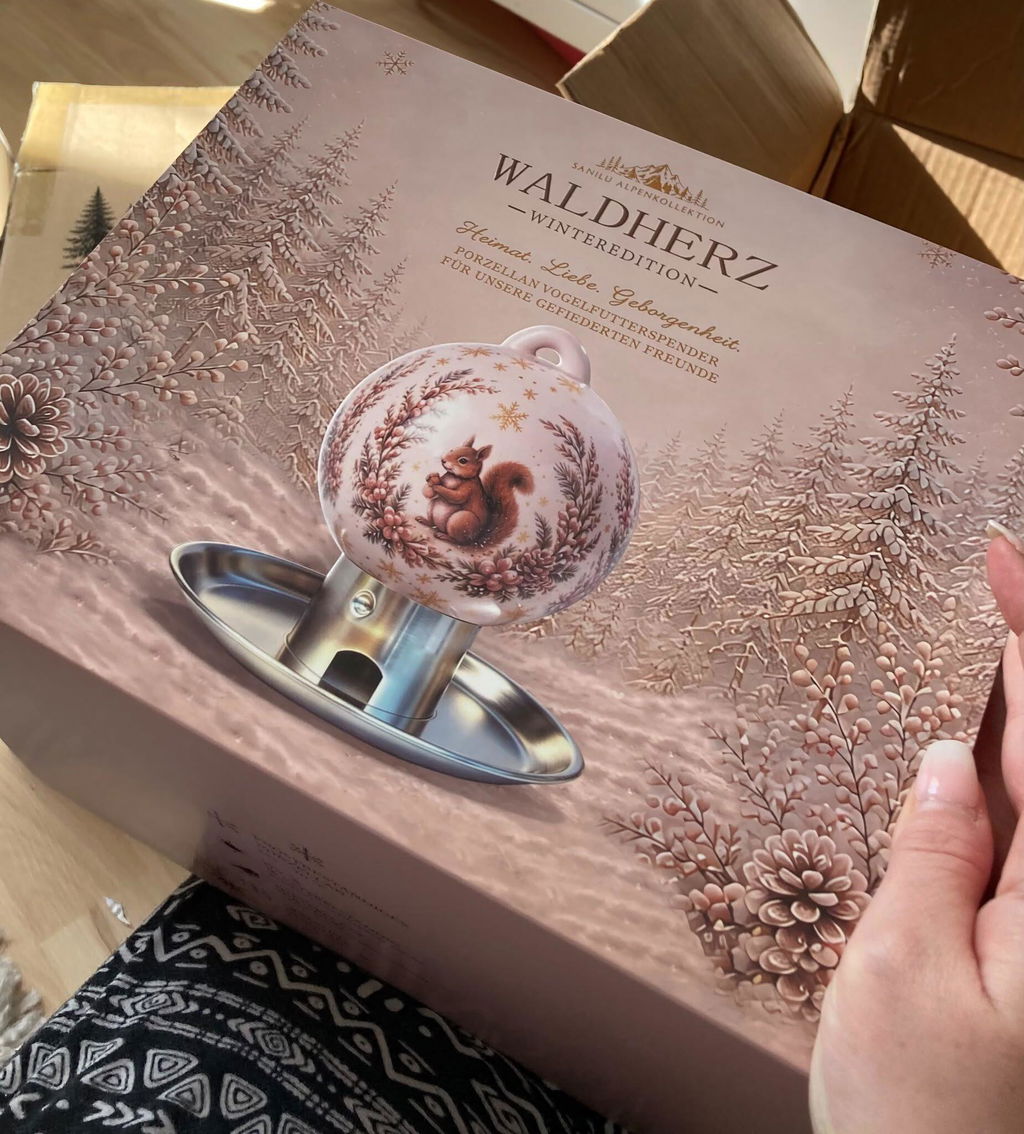
Feeders increase the food supply, especially in the cold season. Different types of food attract different groups of birds: Sunflower seeds for finches and tits, oatmeal for blackbirds and soft feeders.
Important note: Keep feeders clean and only use high-quality food that is suitable for birds. Dirty or spoiled food can transmit diseases.
Keep documentation and records
Systematic record keeping enhances the learning experience and helps to identify patterns and changes in the local bird community. A simple notebook is enough to start with to record the date, time, weather, location and species observed.
Modern technology can support documentation: Smartphone apps such as eBird enable digital recording of observations and contribute to scientific data collection at the same time. Photos help with later species identification and document special observations.
Regular recordings reveal seasonal patterns: When do the first migratory birds arrive in spring? Which species spend the winter in your area? These findings deepen your understanding of the local avifauna.
Share your observations with other birdwatchers in online communities or local clubs. The exchange with like-minded people accelerates the learning process and can lead to new observation areas.
Rules of conduct and nature conservation
 Responsible birdwatching respects the needs of the animals and contributes to nature conservation. Always keep a safe distance from birds, especially during the breeding season. Nests should never be disturbed or touched.
Stay on the paths and avoid entering protected areas outside the permitted areas. Many rare species depend on undisturbed retreats.
Refrain from playing bird calls to attract birds, as this can cause stress and disrupt natural behavior. Authentic observations are in any case more valuable than artificially created situations.
Support nature conservation organizations and take part in citizen science projects. Your observation data can be valuable for the research and protection of Swiss birdlife.
TL;DR - The most important points at a glance
- Basic equipment: binoculars (8x32 or 10x42), identification book, notepad, weatherproof clothing in muted colors
- Best observation times: Early morning and dusk, especially in slightly cloudy weather without strong winds
- Ideal starting locations: City parks, gardens and bodies of water in the immediate vicinity for regular visits
- Focus on common species: blackbirds, robins, tits and finches as an introduction for beginners
- Observe behavior: Movement patterns, posture and vocalizations are important identification features
- Design a bird-friendly garden: Native plants, watering hole and clean feeding areas create habitat
- Keep documentation: Regular recordings and modern apps support the learning process
Frequently asked questions (FAQ)
 Which binoculars are best for beginners? Binoculars with 8x32 or 10x42 magnification offer the best balance between image quality and handiness. These models are light enough for longer observations and provide sufficient magnification for most situations.
When is the best time for birdwatching? The early morning hours, about an hour after sunrise, are ideal. Dusk also offers good opportunities. Birds are particularly active in slightly cloudy weather without strong winds.
Do I need special clothing for birdwatching? Weatherproof clothing in muted colors such as brown, green or grey is recommended. Bright colors can scare birds away, while camouflaged clothing improves the chances of observation.
How can I make my garden more bird-friendly? Plant native shrubs and trees, set up a water trough and offer different types of food. Avoid pesticides and create natural areas.
Which apps help you identify birds? Apps such as Merlin Bird ID, eBird or the Vogelwarte app help with identification and documentation. However, they do not replace the experience of using a printed identification book.
How do I keep a respectful distance from the birds? Stay at least 10-15 meters away from birds and never approach nests. Use binoculars for closer observation instead of approaching.
What do I do if I spot a rare species? Document the observation with a photo, notes on location, time and behavior. Report rare species to the local bird observatory or ornithological society.
How do I recognize different species of titmouse? Pay attention to coloration and pattern: great tits have a black head with white cheeks, blue tits have blue caps, pine tits have black heads with a white spot on the neck.
Should I feed all year round? In principle, feeding is possible all year round if high-quality food is used and the feeding place is kept clean. During the breeding season, protein-rich insects are more important than grains.
How can I find other birdwatchers in my region? Look for local ornithological societies, nature conservation groups or online communities. Many groups offer excursions for beginners and are happy to share their knowledge.
Conclusion
Birdwatching opens the door to a fascinating world that often starts right on our doorstep. With the right basic equipment, a little patience and regular practice, you will quickly develop an eye for the feathered inhabitants of your surroundings. The key to success lies in continuity: regular, even short observation sessions are more effective than infrequent but long excursions.
Start small and gradually increase your requirements. Every observation adds to your knowledge and strengthens your connection to nature. With over 400 recorded species, the Swiss bird world offers enough variety for a lifetime of discoveries. At the same time, you make a valuable contribution to nature conservation and research into our native wildlife through attentive observation and respectful behavior. Get started today - your first birdwatching experience can begin in your own garden or on your next walk in the park.